
While global leaders gather at a UN summit aimed at safeguarding the planet’s flora and fauna, a collective of scientists advocates for the protection of another often-overlooked kingdom of life: fungi.
The combined weight of fungi on our planet is six times greater than that of all animals combined, with an estimated 5 million species identified, spanning from edible mushrooms to microscopic entities that are crucial for ecological balance.
“If it weren’t for fungi, our current world wouldn’t exist,” states Chilean mycologist Giuliana Furci.
Historically, fungi have been excluded from conservation initiatives focused on plants and animals, a fact that deeply impacted her years ago.
“The realization that they were not included in environmental policies struck me as profoundly unjust,” Furci recounted. This led her to establish the Fungi Foundation in 2012, which she believes is the first non-profit organization devoted to the preservation of fungi globally.
Since then, additional organizations have emerged, including Canada-based Mycosphaera, collectively forming the Global Fungal Conservation Network. On Wednesday, this coalition introduced the Global Strategy for Fungal Conservation at the COP17 UN biodiversity conference held in Yerevan, Armenia.
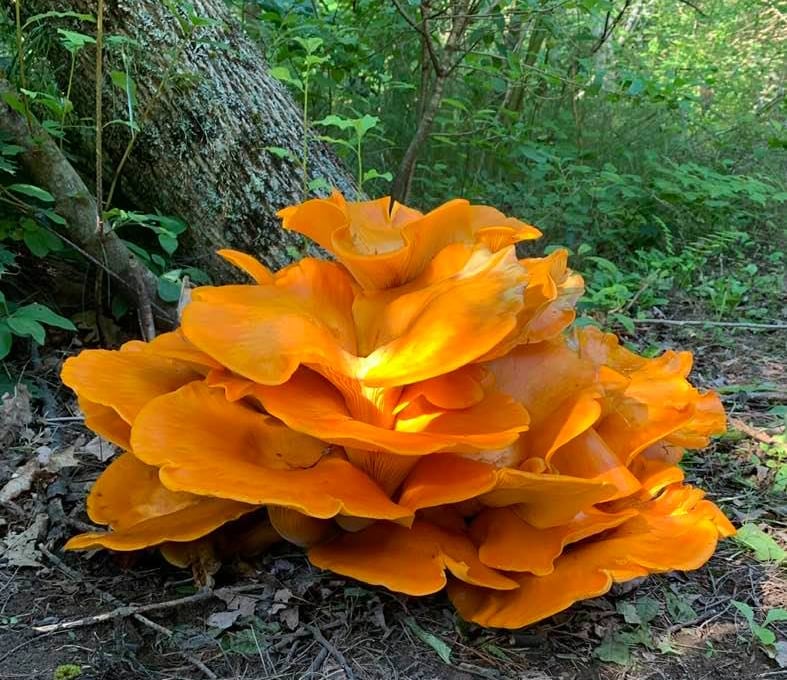
Jack-o’-lantern mushroom in Wolfville, N.S. (Submitted by Allison Walker)
The UN conference is assessing advancements related to the 2022 Kunming-Montreal Global Biodiversity Framework, a worldwide agreement aimed at protecting 30 percent of the Earth’s land, freshwater, and marine environments by 2030 while securing billions of dollars annually for biodiversity efforts.
Although the agreement emphasizes the necessity of balancing the welfare of humans, animals, plants, and ecosystems, it does not mention fungi.
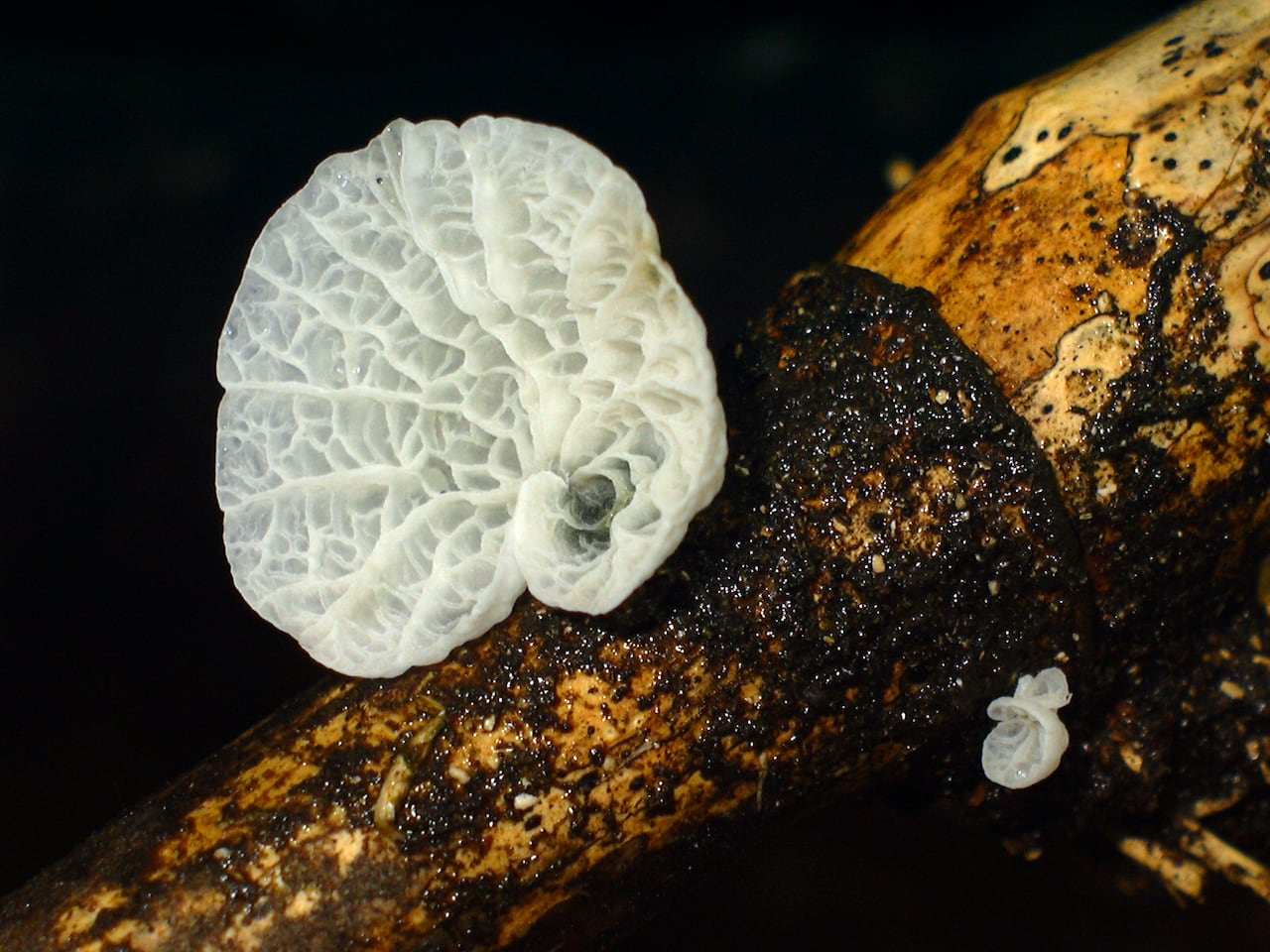
Tetrapyrgos alba. (Carolina Magnasco/Fungi Foundation)
Furci argues that discussing flora and fauna without including fungi is “outdated,” as they were classified as a distinct kingdom in 1969 and are vital for the survival of numerous plants and animals.
“Fungi are organisms that hold immense significance in our environment… omitting them provides us with an incomplete understanding of life on Earth, ecosystem functions, and strategies to address the myriad crises we face, from climate change to biodiversity decline,” she stated before heading to COP17.
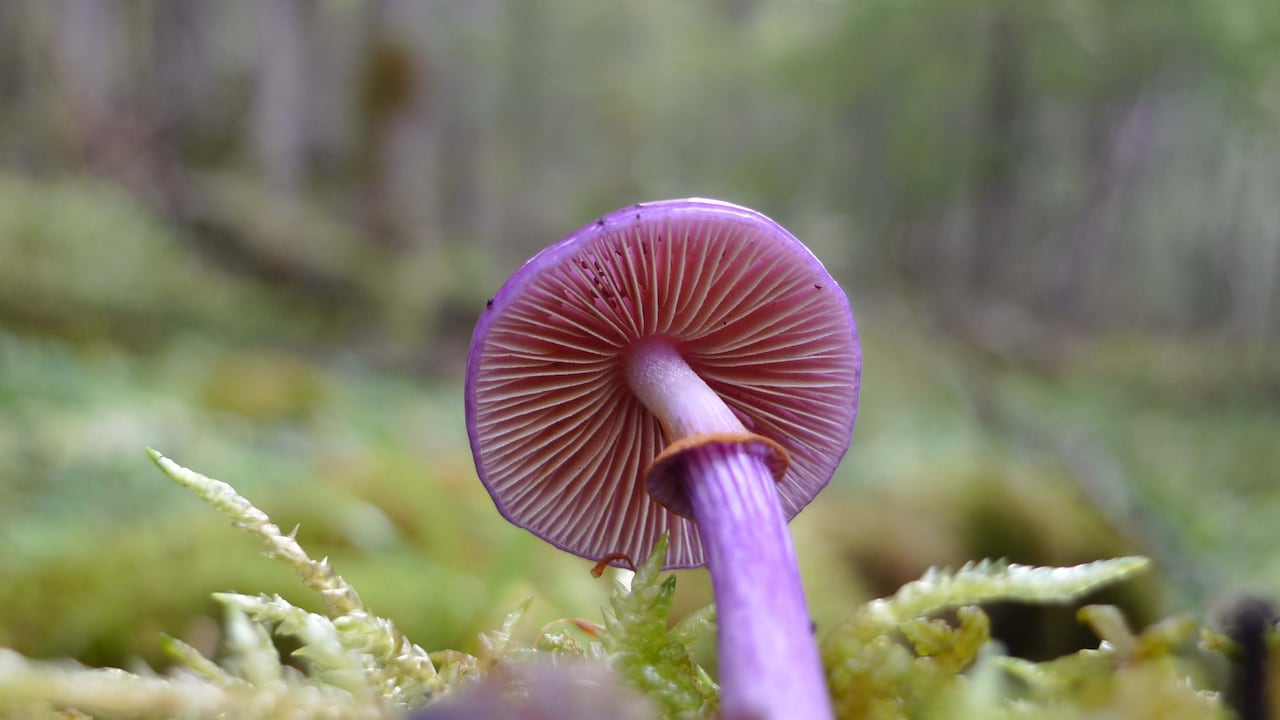
Cortinarius magellanicus, found in South America and New Zealand. (Giuliana Furci/Fungi Foundation)
Many remain unnamed and uncounted
Allison Walker first became aware of the wide variety of wild mushrooms during her childhood camping trips in Algonquin Park.
“I used to create names for them, like ‘Donut Brothers’ or ‘Pancake King,'” she reminisced.
Currently a biology professor at Acadia University in Wolfville, N.S., Walker noted that many fungi lack “official names,” since less than five percent have been formally documented.
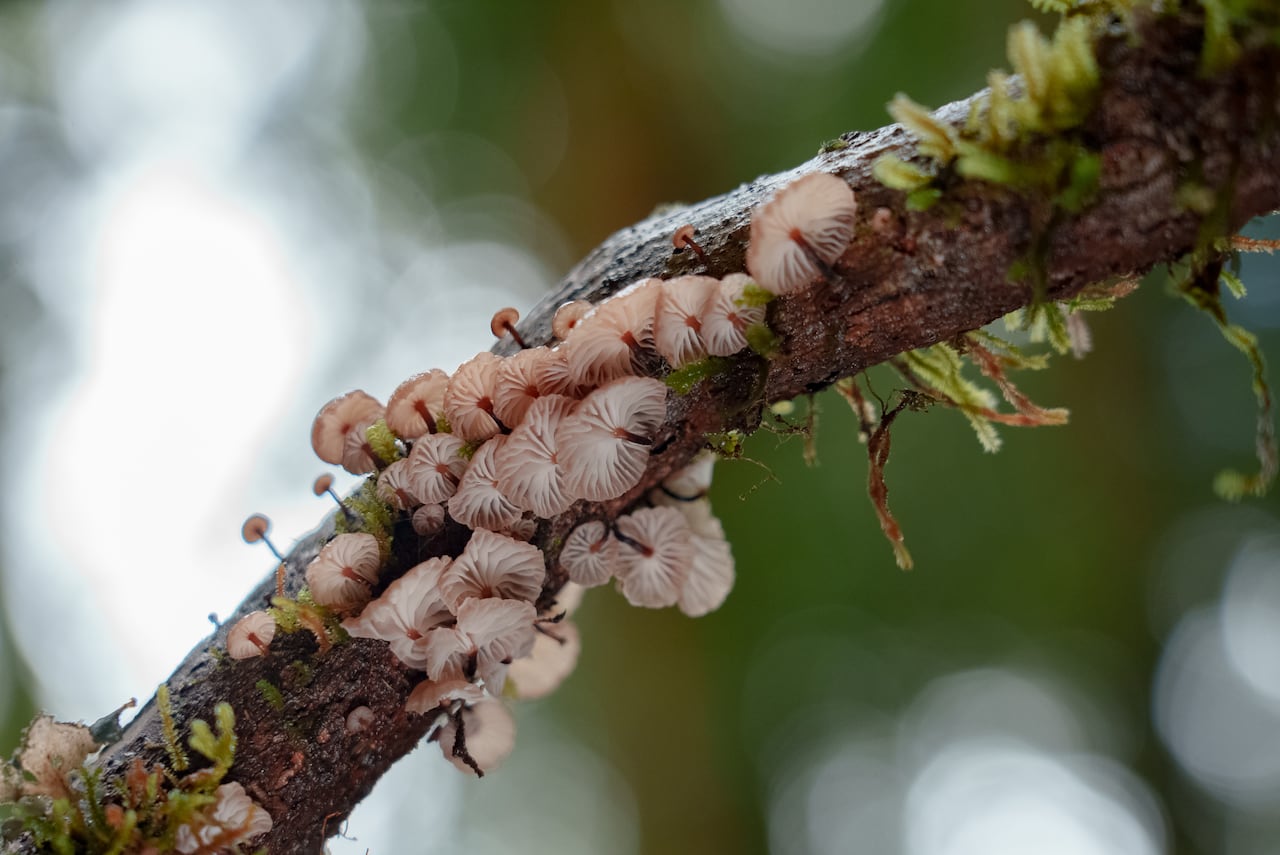
Unidentified fungi growing on a branch. (Catalina Infante/Fungi Foundation)
However, the fungi under observation face risks similar to those confronting plants and animals. In March, the IUCN Red List, which evaluates and monitors species extinction risks globally, added 1,300 fungi, with at least 411 categorized as threatened with extinction.
The fungi evaluated still represent only a tiny fraction compared to the 96,000 animals and 176,000 plants included on the list.
Furci pointed out that fungi contend with many of the same challenges as other life forms, including fungicides, fertilizers, habitat fragmentation, habitat destruction, and climate change.
“Yet,” she emphasized, “we have never tailored actions specifically to guarantee their survival.”
Furci asserts that such measures would not only benefit fungi themselves.
“Plants cannot thrive without fungi on their roots,” she explained. “Herbivores cannot digest the vegetation they consume without the fungi in their stomachs… Our reliance on fungi for food, medicine, and various other resources is immense.”
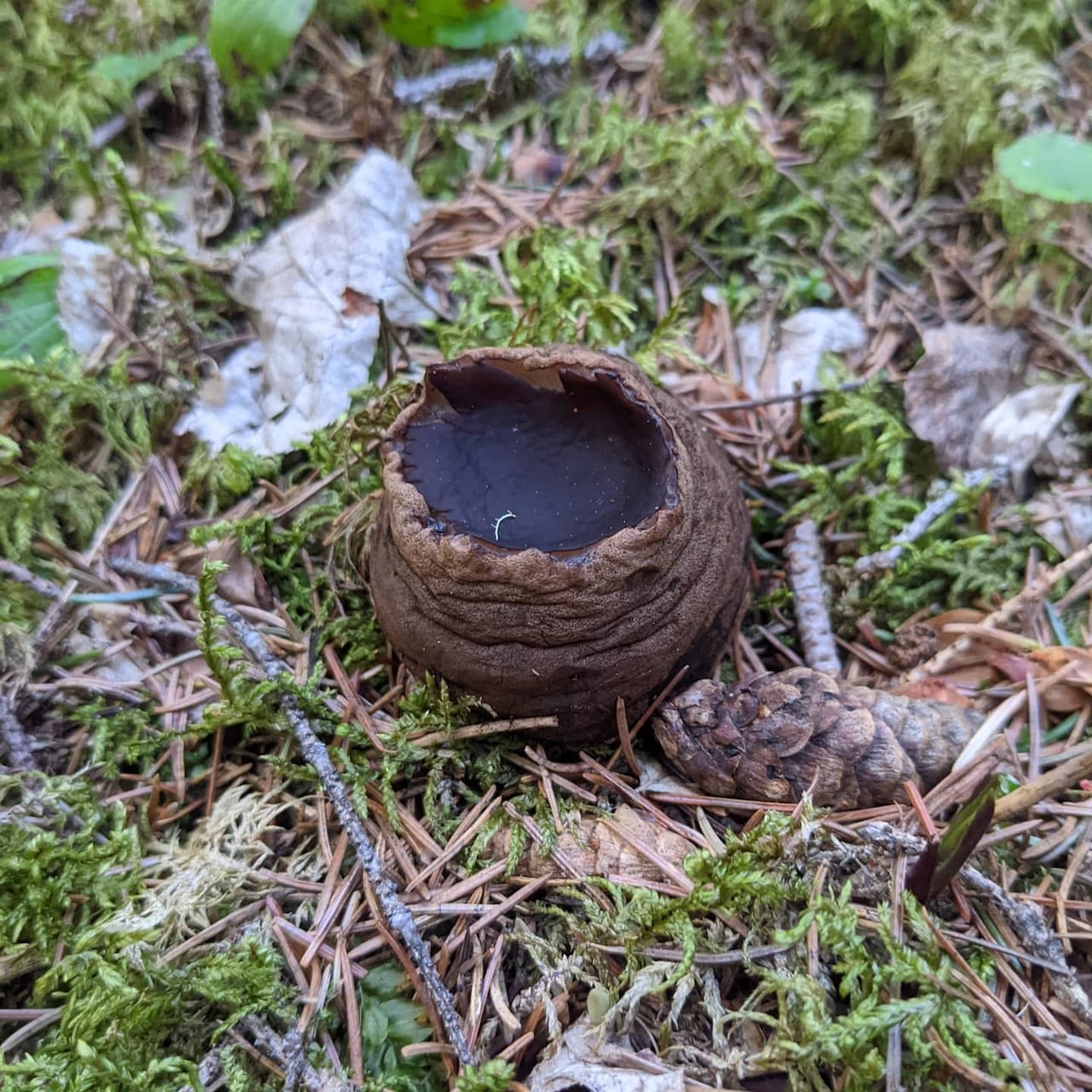
Witch’s cauldron in northern B.C. (Cynthia Andal)
Fungi also play critical roles in decomposition and nutrient recycling.
Walker mentioned that since so many organisms depend on fungi, understanding these relationships is vital for habitat restoration and can shed light on the reasons for the failure of certain restoration initiatives.
In Canada, Walker noted that some fungal species at risk include the witch’s cauldron in northern B.C., resembling a large black puffball, and the pepper pot earthstar, which has been identified only four times in southwestern Ontario.
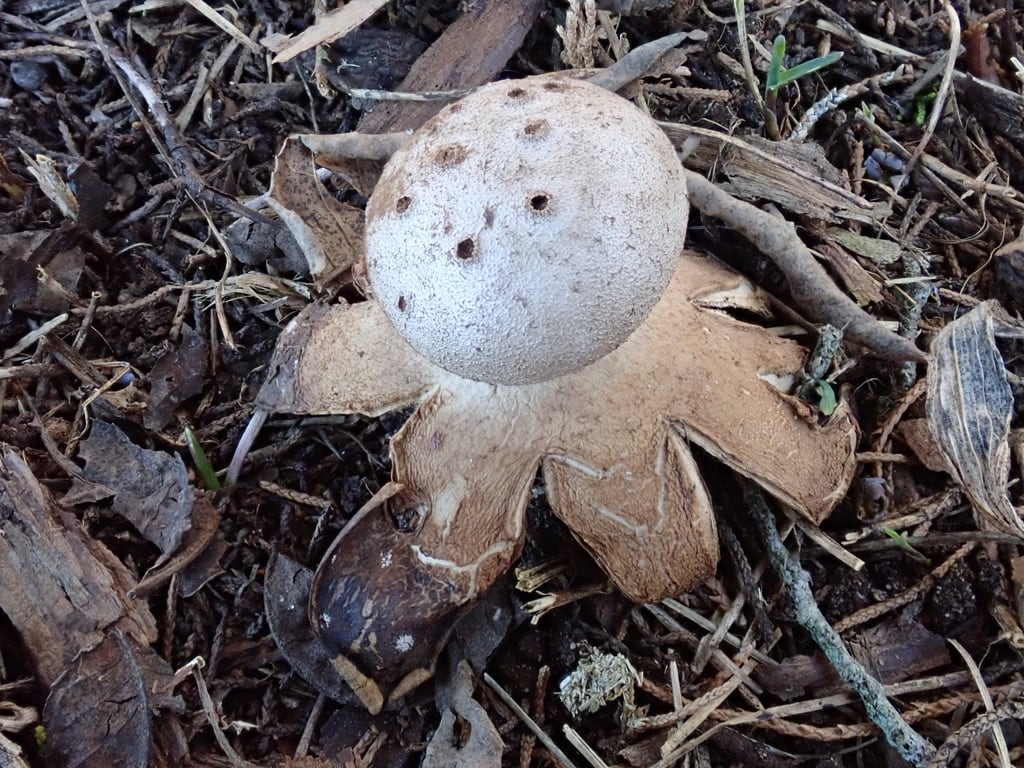
Pepper pot earthstar (Myriostoma coliforme), found only four times in southwestern Ontario. (Submitted by Allison Walker)
“It looks like a little star, but also resembles a pepper shaker because of the small holes at the top that release spores… it’s quite charming and adorable.”
Difficult to identify and quantify
Walker acknowledged the challenges associated with protecting rare fungi. Not only is there a lack of knowledge regarding existing fungal species, but they can also be particularly challenging to quantify.
“It’s difficult to determine… what is genuinely rare versus merely understudied.”
Many species are microscopic, including those Walker studies that inhabit the roots of Spartina grasses in salt marshes.
“Sometimes, it requires extensive hours at the microscope to differentiate various species.”
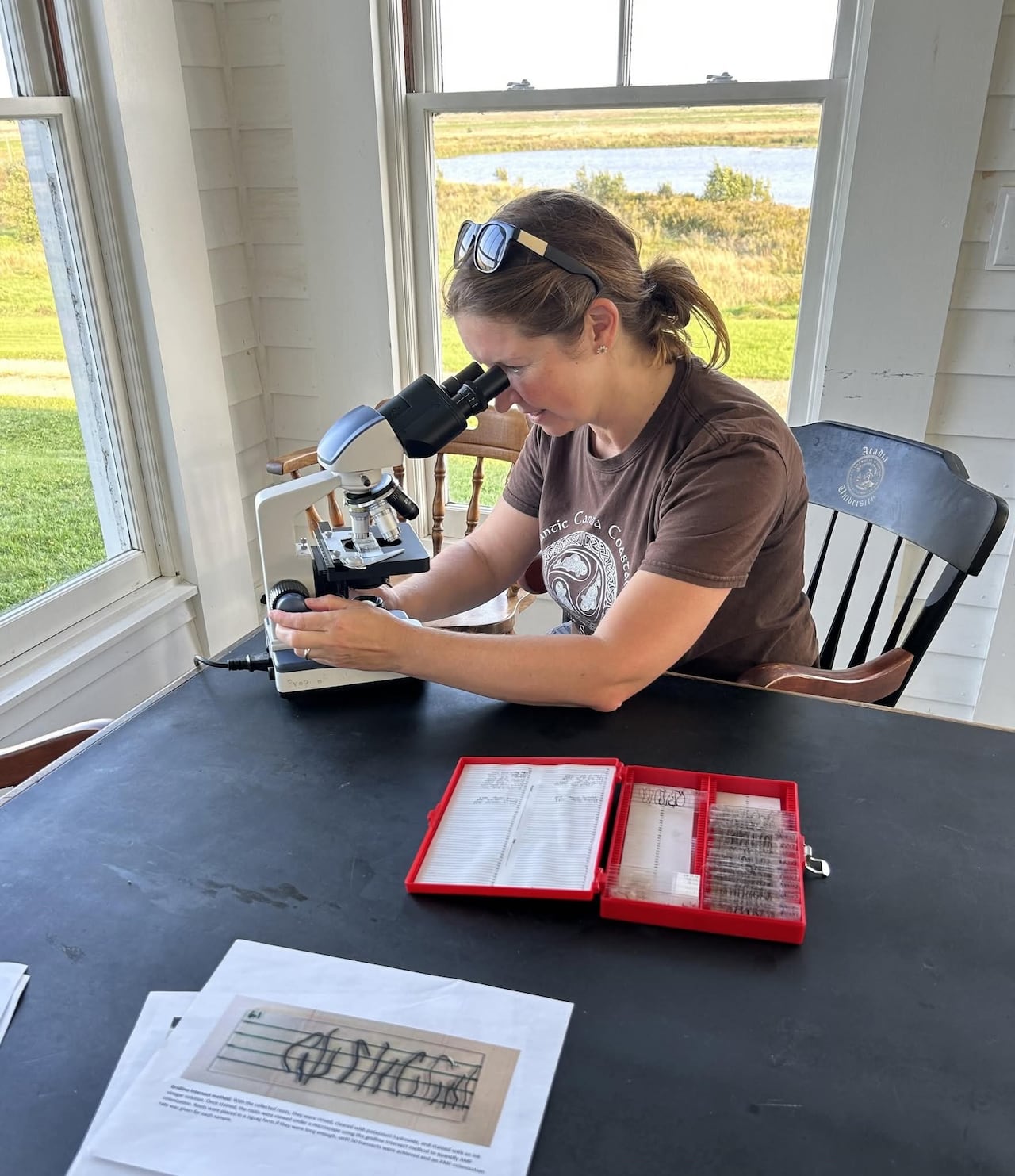
Allison Walker examines microscopic fungi found in the roots of salt marsh grasses. (Submitted by Allison Walker)
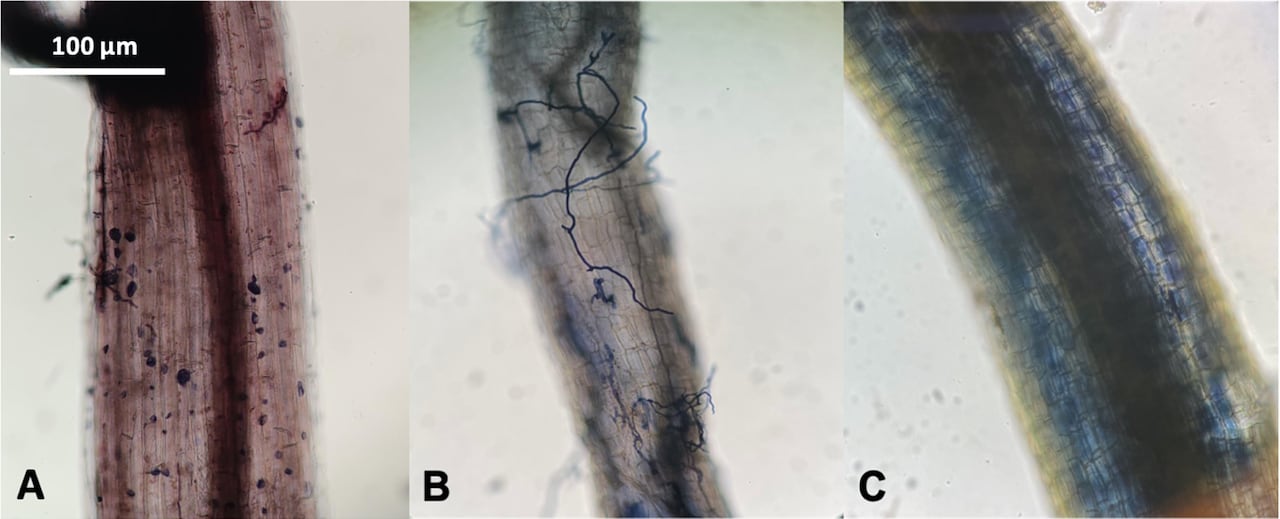
The fungi contain proteins that aren’t found in the grass itself and that stain blue. (Allison Walker)
Many fungi thrive underground, and even those that produce visible mushrooms above ground do not necessarily fruit every year. Certain species might only produce mushrooms under specific conditions, such as following a wildfire.
The underground network of cells that comprise one genetic individual can extend for kilometers, yielding mushrooms over a large area, which complicates efforts to gauge the true abundance of a species.
“This is quite different from counting animals and plants.”
Efforts at COP
Despite these challenges, conservationists are making strides.
During the last UN biodiversity conference, the Fungi Foundation introduced a fungal conservation pledge that has garnered signatures from 14 countries. More nations are anticipated to join in the second week of COP17.
Canada has not yet signed the pledge, but Walker and other mycologists from Canada are advocating for the country to participate.
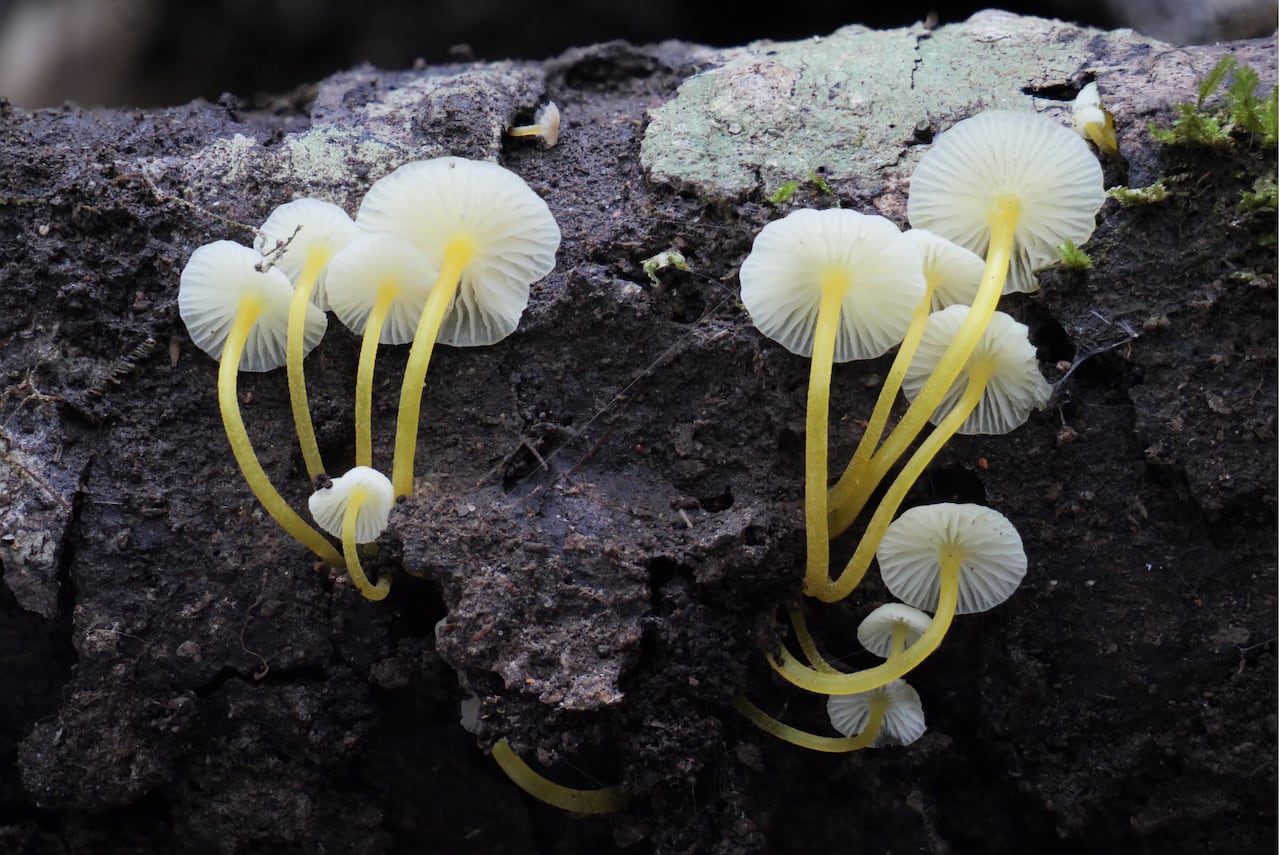
Mycena epipterygia. (Giuliana Furci/Fungi Foundation)
The countries that have endorsed the pledge have already facilitated the inclusion of fungi in scientific recommendations for signatories of the UN Convention on Biological Diversity.
Furci believes that increased acknowledgment of fungi in the UN agreement could assist nations in integrating them into biodiversity monitoring, conservation strategies, ecosystem restoration, and national biodiversity plans.
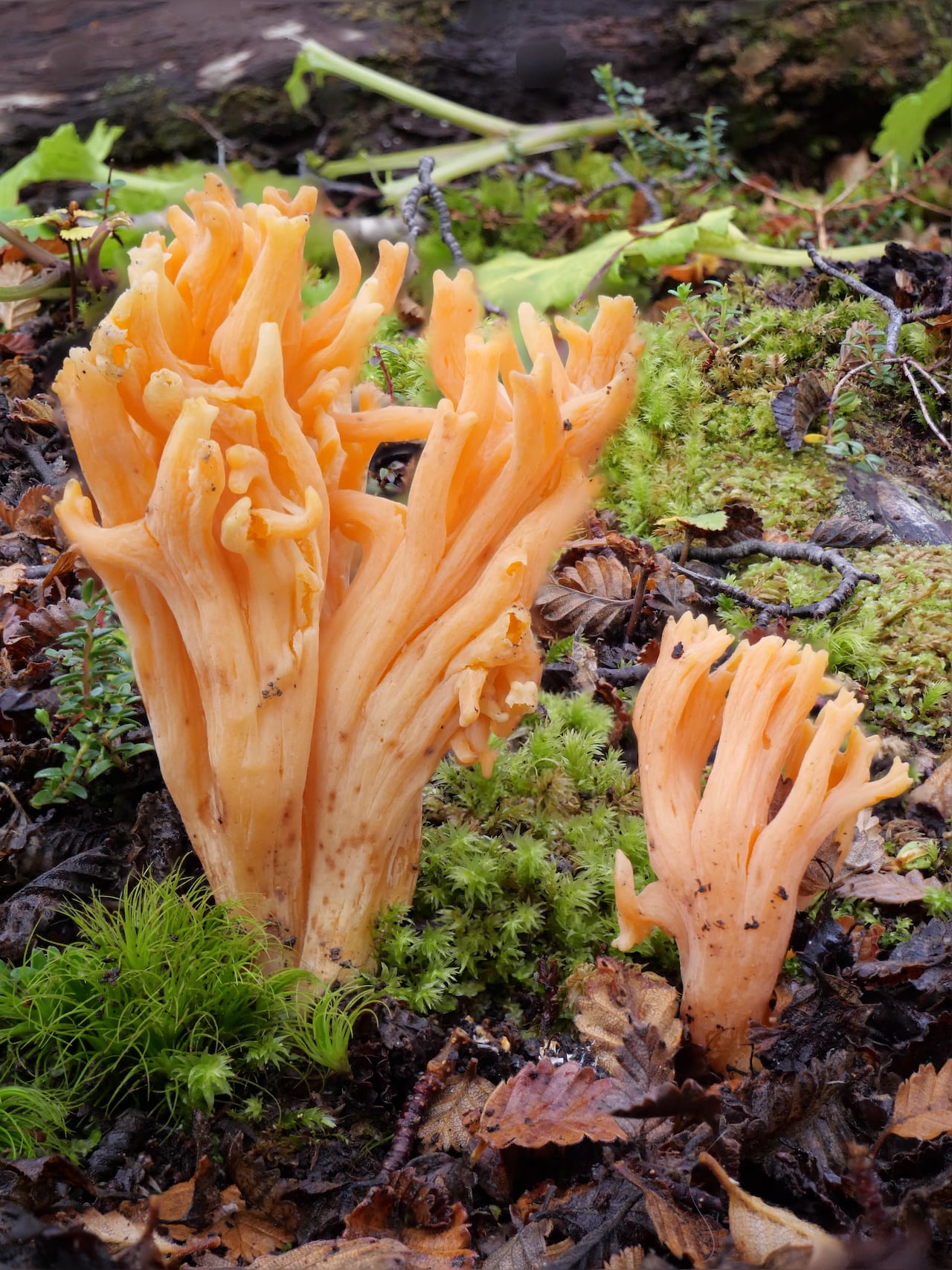
Ramaria flava. (Giuliana Furci/Fungi Foundation)
However, Furci believes that average individuals can also contribute by learning about fungi and recognizing their significance in everyday life.
“Language shapes our reality,” she remarked. “By beginning to discuss fungi alongside plants and animals, we take the first meaningful step that everyone can and should take.”
This article is part of a series that showcases scientists’ efforts to study groups of species that are disappearing, which may not have received much attention. It provides an opportunity to learn about these species and their impact on our lives, and to discover ways to ensure their survival.

