
Critical PHP Security Flaw Forces Global Websites Offline

Date:

A security flaw in a vital component of the internet’s framework was revealed this week, prompting website managers globally to rush to apply necessary corrections.

The issue was linked to the PHP programming language — a widely utilized software considered “the backbone of the internet,” as stated by Isaac Privett, a senior penetration tester at the cybersecurity firm Packetlabs based in Toronto.

This vulnerability had been present for several years, enabling malicious actors to infiltrate websites, modify them, and extract sensitive information.

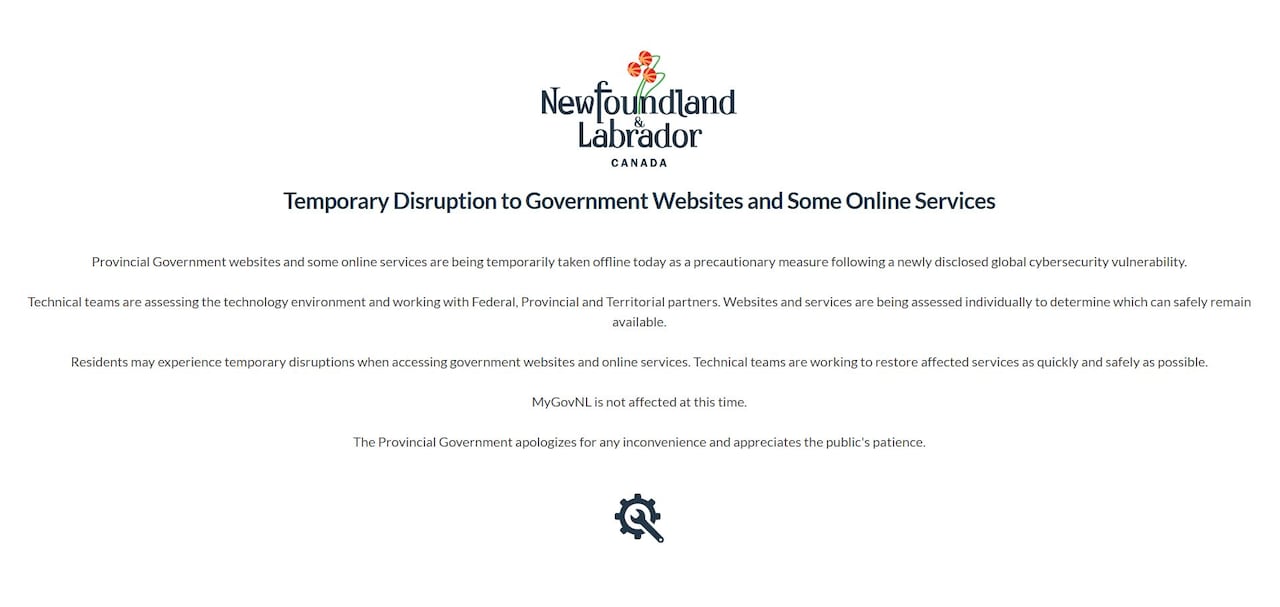
The situation forced numerous entities to take their websites offline while they worked on a fix, resulting in some sites — including those of the Canadian government — becoming inaccessible.

Here’s what you should know about PHP, how this vulnerability came to light, and the severity of the issue.

What is PHP?

PHP is an open-source programming language — meaning it can be downloaded and utilized at no cost — that is extensively used on the internet. The PHP Foundation, a non-profit organization, oversees its management with a team of volunteer board members and a few developers.

When visiting a website, various elements such as images, links, and color schemes must be correctly assembled and presented to users, explains technology analyst Carmi Levy. PHP performs this function, aggregating these components and enabling websites to function.

“PHP operates quietly in the background, ensuring that websites transition from fragmented data stored on a server to interactive sites that users can engage with on their browsers or devices,” said Levy, who is located in London, Ontario.
WATCH | About That explains the PHP security flaw:

PHP flaw: How AI just hacked an unhackable part of the internet | About That

October 23|

Duration

11:28

A security leak in the foundational PHP code that powers most of the internet has triggered a worldwide alert, forcing governments and major companies to take websites offline. Andrew Chang breaks down how advanced AI uncovered the vulnerability — and the race between defenders and hackers to secure the system.
(Photo credits: The Canadian Press, Reuters, Adobe Stock and Getty Images)

Wiz, one of the cybersecurity firms involved in detecting the problem, estimates that roughly 70% of websites rely on PHP, while the web technology tracker W3Techs suggests the proportion is 75%.

This extensive usage classifies PHP as a “foundational” technology essential for the internet’s operation, according to Levy, which is why a vulnerability in it could lead to substantial repercussions.

What is the issue, and how was it uncovered?

On Wednesday, a team of researchers from two cybersecurity firms — Calif and Wiz — published blog entries stating they had identified two vulnerabilities in PHP. These researchers had been participating in an OpenAI program aimed at detecting potential vulnerabilities across the internet, including those within PHP.

Ryan Austin, a cybersecurity researcher at Calif.io, who contributed to identifying these issues, noted he was aware of a security concern from 2004 related to PHP and utilized OpenAI’s GPT‑5.6 Sol to search the same segment of PHP’s code for additional vulnerabilities.

“A few days later, we managed to uncover something quite serious,” Austin remarked.

The PHP Foundation clarified in a Wednesday announcement that both vulnerabilities are located in “areas of PHP that nearly every request interacts with: memory management and error handling.”

Austin explained that when PHP encounters an error, it leaves behind memory details that can become corrupted, potentially providing hackers a pathway into websites.

man

Tech analyst Carmi Levy states that the extensive use of PHP across the internet is a significant factor in the concern over a vulnerability in it. (Submitted by Carmi Levy)

If hackers gain access, they could modify the websites — potentially inserting malware or deleting content — or access sensitive information like passwords, according to Levy.

Wiz indicated that these vulnerabilities had been present for over a decade. The PHP Foundation acknowledged that a researcher had speculated about this potential exploit in 2024, but at that time, no definitive method to execute it was discovered.

The PHP Foundation stated that the delay in addressing the issue was due to a “structural failure” stemming from resource limitations and the decision-making process of the security team.

How serious is the situation?

Levy compares it to a scenario where a leading manufacturer of door locks discovers that a master key is widely accessible.

<p"This means someone could approach your front door, use that master key, and gain entry into your home," Levy explained.

He noted that security incidents are evaluated on a scale from zero to 10 using the Common Vulnerability Scoring System. These vulnerabilities were rated at 9.2, indicating a high level of severity.

WATCH | Websites worldwide taken down amid fears PHP flaw opens door to hackers:

Websites around world taken down after flawed code opens them up to hackers

October 21|

Duration

1:47

Government and corporate websites globally were taken offline after developers discovered flaws in the popular PHP code that could expose them to numerous hackers.
“A single vulnerability in technology that is nearly universally used has the potential for global ramifications,” Levy stated.

From Austin’s perspective, this is “likely one of the worst vulnerabilities I’ve ever encountered.”

What measures are being taken to address it?

Cybersecurity specialists indicate that the positive news is a solution is available.

The PHP Foundation issued patches for the vulnerability on Wednesday, urging users to apply the fix promptly.

Global government cybersecurity agencies and leaders, including in Canada, reiterated this recommendation.

a man with short hair sits at a computer. white text showing computer code is on the screen

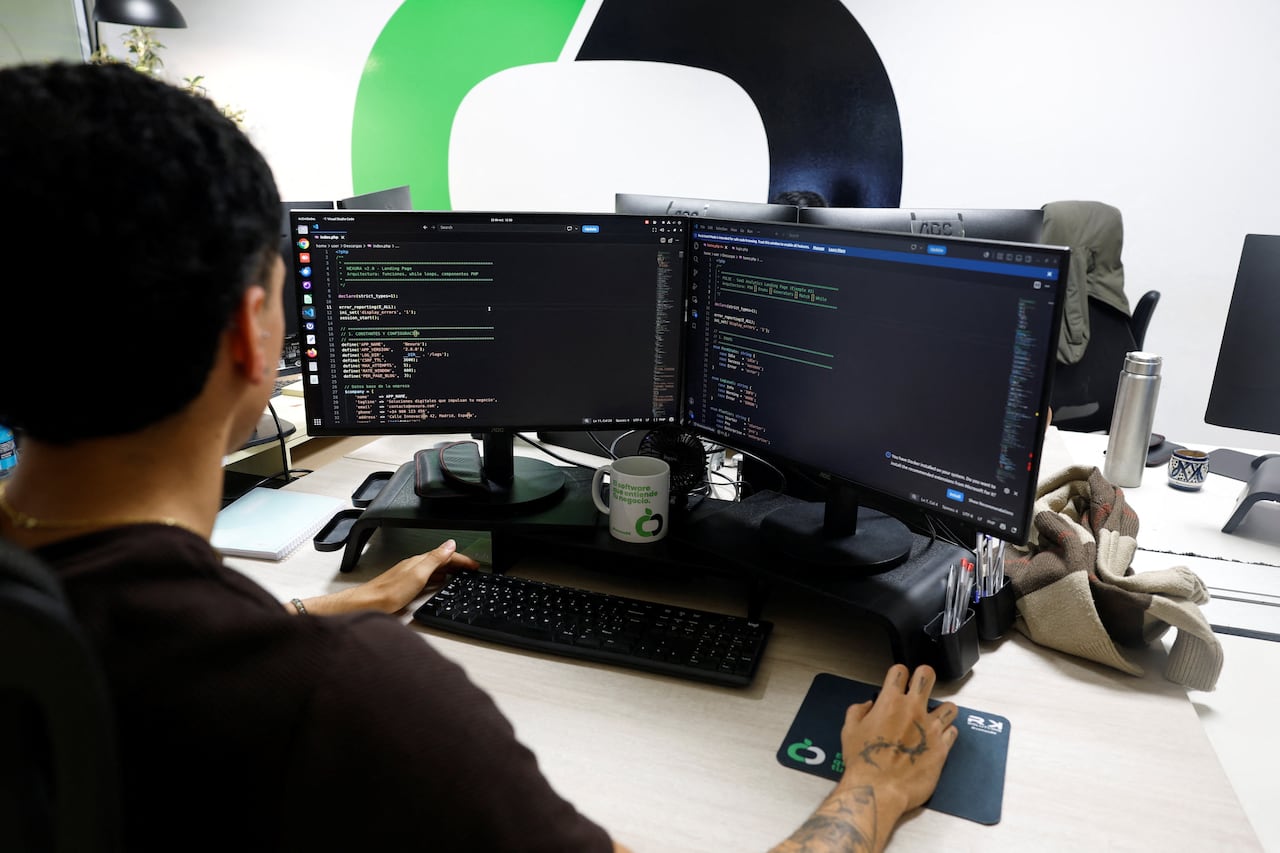
A programmer engages with PHP code at RK Solutions software development company in Guernica, Spain, on Thursday. (Vincent West/Reuters)

Numerous websites, including those of governments from Canada, France, and Japan, went offline while the security concerns were resolved. For instance, provincial websites for Newfoundland and Labrador and Prince Edward Island were unavailable for the day, but both resumed operations on Thursday.

The U.S. National Security Agency’s cyber unit advised any organizations unable to promptly apply the fix to take their websites offline until remediation could be done.

While the temporary shutdown of websites caused some alarm, Levy highlights a positive aspect. The sites were taken offline as a precaution after researchers identified a vulnerability before it could be exploited by hackers, demonstrating that the system for detecting such threats is functioning effectively.

a government of newfoundland webpage has text that reads "provincial government websites and some online services are being temporarily taken offline today as a precautionary measure following a newly disclosed global cybersecurity vulnerability."

The Newfoundland and Labrador government site was offline on Wednesday after the PHP vulnerabilities were disclosed. (CBC)

Some websites faced hacking attempts after the vulnerability was made public; however, these attempts did not appear to be successful. For instance, the CEO of Cloudflare mentioned on social media that the Cloudflare network recorded tens of thousands of attempts to exploit the vulnerability within just 45 minutes of the announcement and “hundreds of thousands” within two hours.

On Wednesday, the PHP Foundation informed CBC News via email that they had not observed any evidence of hackers successfully exploiting the vulnerability.

Should I take any actions?

Cybersecurity experts indicate that since the issue affects the backend of websites, the responsibility primarily lies with those managing them — such as businesses or organizations — to ensure they are implementing the necessary fix.

For most website operators, addressing this is quite manageable — similar to updating a personal computer, according to Privett from Packetlabs.

“You simply need to upgrade to the latest version of PHP, which tends to resolve 99% of your issues,” Privett stated.

WATCH | How AI can make cyberattacks faster and smarter:

AI can make cyberattacks faster and smarter

April 5|

Duration

1:29

A new EY report suggests AI will become a major force behind cybercrime in 2026 as programs help attackers hone their scamming skills.

However, since the vulnerability and its fix have been publicly disclosed for some time, Privett warns that website owners should remain vigilant for signs of possible breaches that may have occurred before they could apply the patches.

“It’s wise to check for signs of compromise after updating, in case someone accessed your system using that bug,” Privett advised.

He also encourages individuals with their own websites or applications to verify whether PHP is utilized to ensure they are adequately protected.

For all users, Levy suggests enhancing personal digital security measures to safeguard against potential data breaches. Regularly updating passwords — avoiding reuse — and enabling two-factor authentication can help mitigate risks, ensuring that even if hackers gain access to data from a compromised site, their ability to misuse that information is limited.

Share post:

Popular

More like this
Related

Alex Gibney’s Musk: A Stark Portrait of a Troubling Tech Titan

Alex Gibney's nearly four-hour documentary Musk, which delves into...

Conflict with Landlord Forces Removal of Controversial Billboard Art

An artist-operated center located in Ford City has announced...

Typhoon Champi Forces Taiwan to Cancel Flights, Close Schools Amid Chaos

On Friday, Taiwan closed schools and offices and canceled...

Canada Invests $11.3B in New Icebreakers to Boost Shipbuilding Sector

Prime Minister Mark Carney announced that the federal government...