
Hilary Swank, at 52 years old, is not letting age hinder her family plans — the Yellowjackets actress revealed that she is expecting her third child.
In a video clip from The Drew Barrymore Show, which she shared on her Instagram stories Thursday night, Swank responded to critics by noting that men often become fathers later in life without the same scrutiny women face.
“Women receive significant criticism for having children later in life,” Swank remarked in the clip, which previews an episode airing on Oct. 20. “Yet the same does not apply to men, which is quite interesting.”
The two-time Academy Award winner already has two children with her spouse, Philip Schneider. After freezing her eggs at the age of 37, she gave birth to twins, Aya and Ohm, in 2023 when she was 48.
On Wednesday, Swank shared the exciting news through a playful Instagram video featuring her family dancing in a dimly lit room, adorned with glow sticks to resemble stick figures. In the video, she turns to show a small glow-stick figure encircling her belly.
“Many have been curious about my next project,” she wrote in the video caption. “This one is set to be released in December,” she added, including a baby angel emoji, hinting at the expected arrival of her baby.
In the clip shared on Thursday, Swank recounted hearing a common criticism regarding older parents: the concern that they might pass away while their children are still young. She shared the story of a woman who lost her father, her closest confidant, in her 20s.
However, Swank, who also had a strong bond with her father, emphasized that this only underscores the preciousness of the parent-child relationship.
“I would choose to have been born and have that person, my favorite person, in my life, and to have experienced that, rather than not at all,” she expressed.
-
After years of calls for data, study confirms Black Canadians face higher risk of maternal complications
-
First Person
How to support someone through pregnancy or infant loss
Swank has previously shared her joy about waiting to have children, stating to Women’s Health in 2025 that she feels she is a different parent than she would have been in her early 40s.
“I possess much more patience and understanding,” she noted. “Additionally, my career is already established, so I can fully immerse myself and be a hands-on parent.”
The American actress earned her first Oscar at just 25 for her performance in the 2000 film Boys Don’t Cry, followed by a second best actress Oscar for the 2004 film Million Dollar Baby. Recently, she has appeared in Netflix’s Away and Showtime’s Yellowjackets.
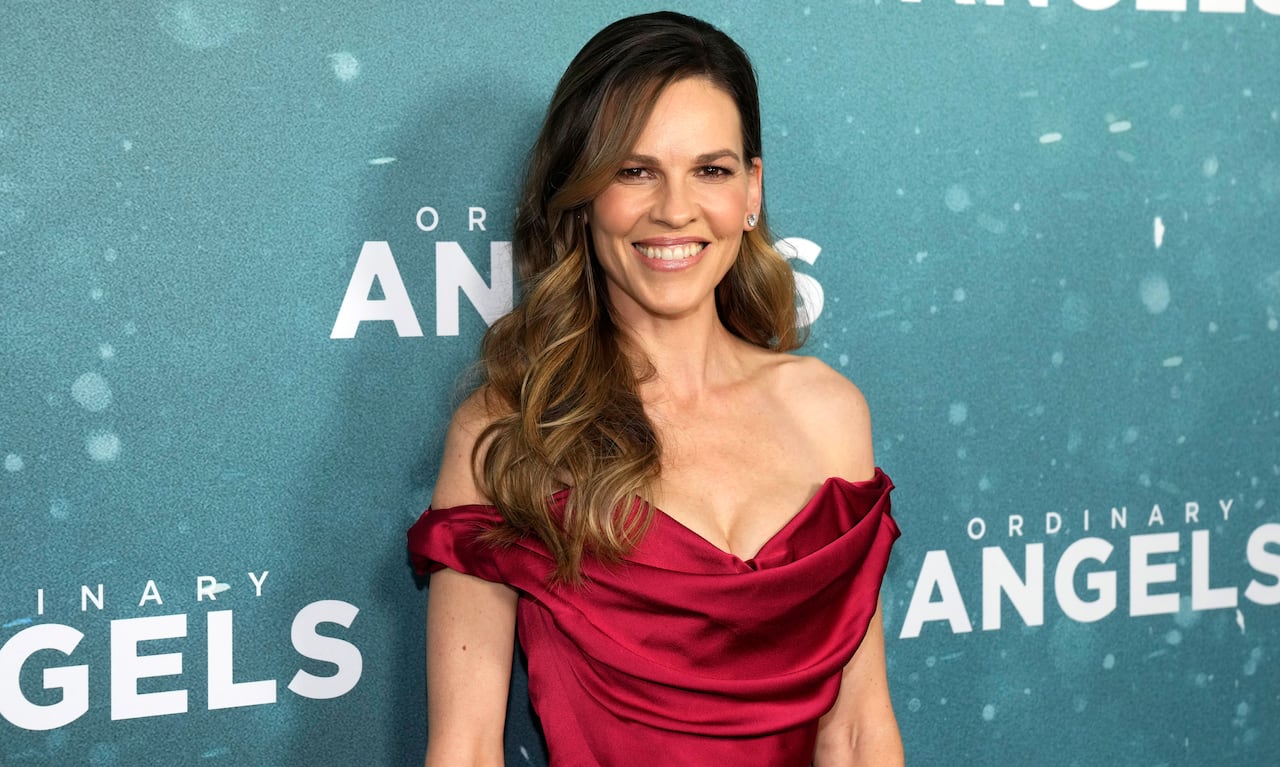
Hilary Swank has revealed she is expecting her third child, with the 52-year-old hinting on Instagram that the due date is in December. (Charles Sykes/Invision/The Associated Press)
Over the past few years, she has also been advocating for legislation in California that mandates manufacturers to disclose the ingredients used in diapers and prenatal vitamins.
Swank is not the only celebrity to embrace motherhood in her 50s. Janet Jackson and Naomi Campbell both welcomed children at the age of 50, in 2017 and 2021 respectively, with Campbell having a second child at 53. Brigitte Nielsen, known for Beverly Hills Cop II, gave birth to her fifth child and only daughter in 2018 at the age of 54.
Late pregnancies on the rise
Pregnancies categorized as advanced maternal age, which occur after the age of 35, are becoming increasingly prevalent in North America.
Statistics Canada reported that in 2021, a quarter of mothers were 35 or older at the time of childbirth, compared to just 16 percent two decades prior. In the U.S., federal statistics indicate that 21 percent of births in 2023 were to women aged 35 or older, an increase from nine percent in 1990.
Individuals capable of becoming pregnant are born with a fixed number of eggs, which decline in quantity and quality as they mature. This decline becomes “more pronounced after the mid-to-late 30s,” explained Dr. Prati Sharma, a reproductive endocrinologist in Toronto and former president of the Canadian Fertility and Andrology Society.
-
IDEAS
6 moments from the untold history of childbirth
-
Spain’s soccer federation will fund egg freezing. Is this a win for female athletes?
Natural pregnancies can occur at any point before menopause; however, the likelihood decreases as the number of eggs diminishes.
Anne Hathaway, 43, announced her pregnancy with her third child in June, expressing to Access Hollywood in July that she was “overjoyed” by the news.
“At a certain age, the hope of pregnancy feels like it’s about one to two percent,” she shared. “It’s a blessing that we do not take for granted.”
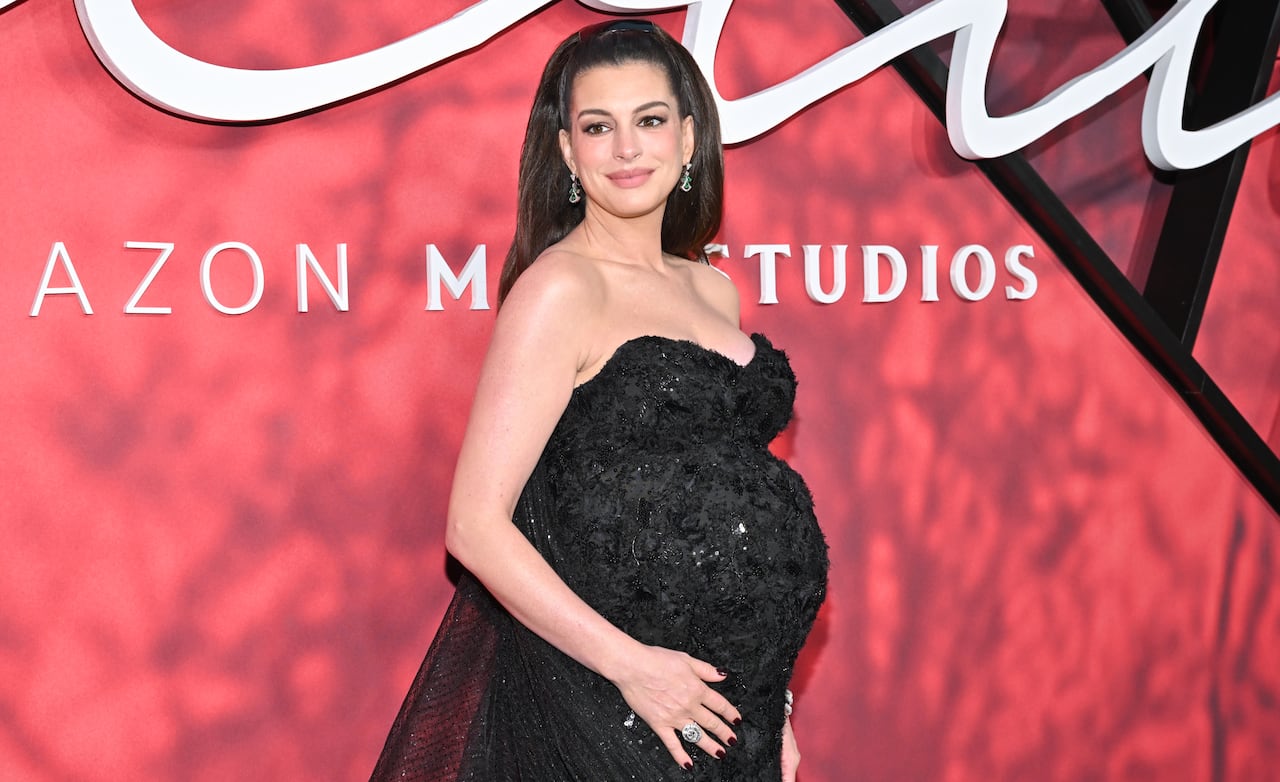
Anne Hathaway, 43, seen on the red carpet last month in New York City, announced in June that she was pregnant with her third child. (Evan Agostini/Invision/The Associated Press)
The majority of pregnancies occurring later in life, such as Swank’s, are facilitated by advancements in technology like egg freezing, donor egg implantation, and in vitro fertilization (IVF), which can entail significant expenses.
“By freezing your eggs or embryos at a younger age, you can utilize them later in life since the uterus does not age at the same pace as the ovaries,” Sharma explained.
“The uterus can successfully carry a pregnancy even for women over 60 years old.”
Egg freezing enables individuals to delay parenthood by extracting and storing eggs from their ovaries at a younger age. These eggs can be preserved at fertility clinics for years before being reintroduced when the individual is ready to conceive.
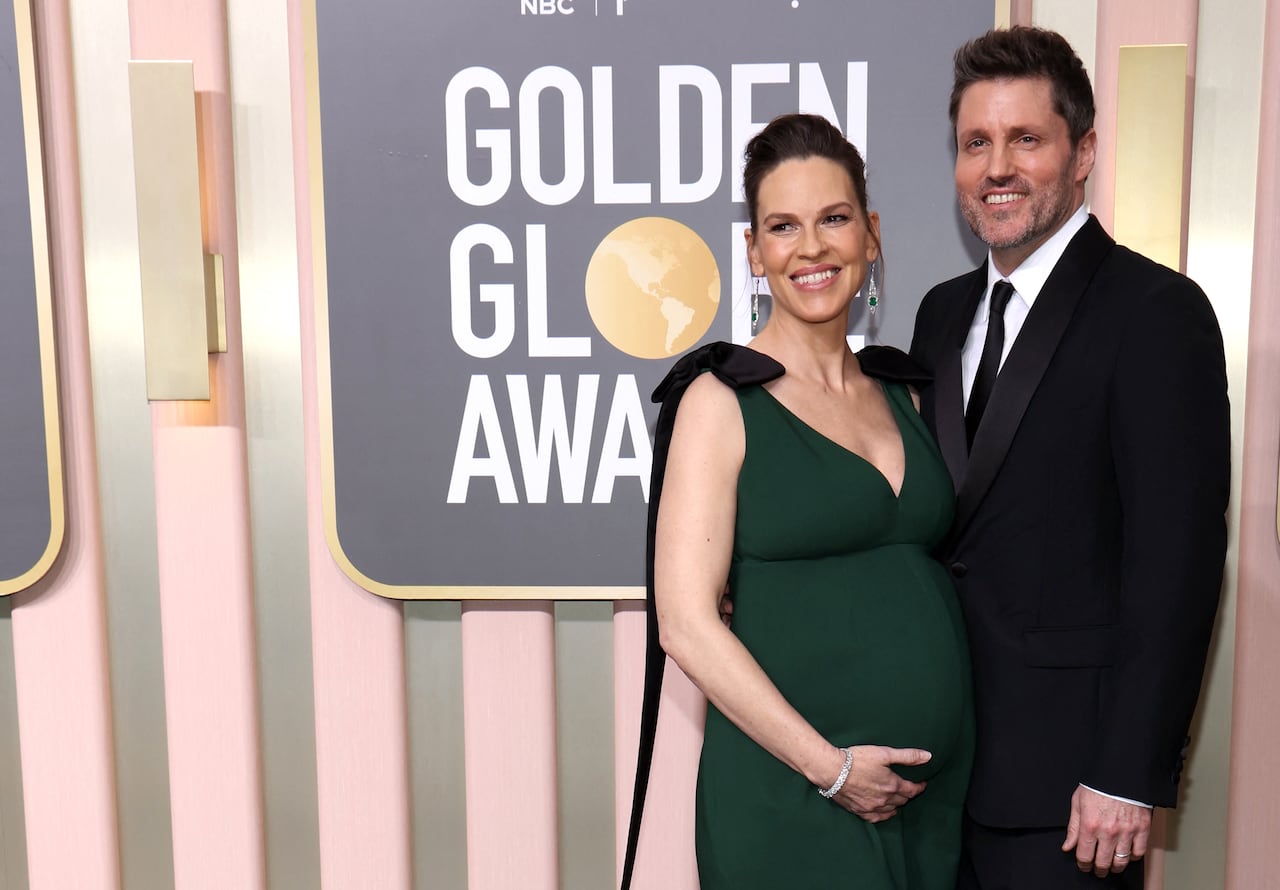
Swank and her husband Philip Schneider at the 80th Annual Golden Globe Awards in Beverly Hills, California, in 2023, prior to the arrival of their twins. (Mario Anzuoni/Reuters)
Despite the improvements in medical care that have enhanced the safety of pregnancies over the years, experts warn that the risks of complications during pregnancy increase as maternal age advances.
“While science enables a woman to conceive at 52, it does come with risks,” Sharma noted. “Each patient must be evaluated by the fertility clinic and her doctor to ensure she is fit for pregnancy.”
Although egg freezing is gaining traction in Canada, offering more choices for when to start a family, the costs for the procedures were around $12,000 to $15,000 in 2024 — making them less accessible for many Canadians.

