
On Wednesday, Manitoba farmers convened in Grosse Isle to explore how emerging technologies can be utilized to reduce risks associated with their crops and adapt to severe weather patterns experienced this season.
Jacqueline Keena, the CEO of the Enterprise Machine Intelligence and Learning Initiative (EMILI), remarked, “This year exemplifies the growing unpredictability and intensity of weather.” EMILI is a non-profit organization based in Manitoba that specializes in agricultural advancements.
The organization organized Agronomy Day at EMILI’s Innovation Farms site in Grosse Isle, hosted at Rutherford Farms, bringing together experts from various sectors, entrepreneurs, farmers, and agronomists to discuss digital farming tools.
Located northwest of Winnipeg, the event aimed to illustrate the practical application of these technologies on farms through data and user feedback, showcasing how farmers can integrate new innovations into their operations.
This year’s theme, “weathering change,” highlighted the implications of this season’s unusually heavy rainfall on crop vitality and future harvests.
Keena noted that their farming strategy was drastically altered overnight due to a rainstorm in June, which inundated Rutherford Farms with about 25.5 centimeters of rain in one evening.
“Entire fields were completely submerged and remained underwater for several days,” she explained, referencing the 5,500-acre property. The organization also manages a 10,000-acre farm in MacGregor.
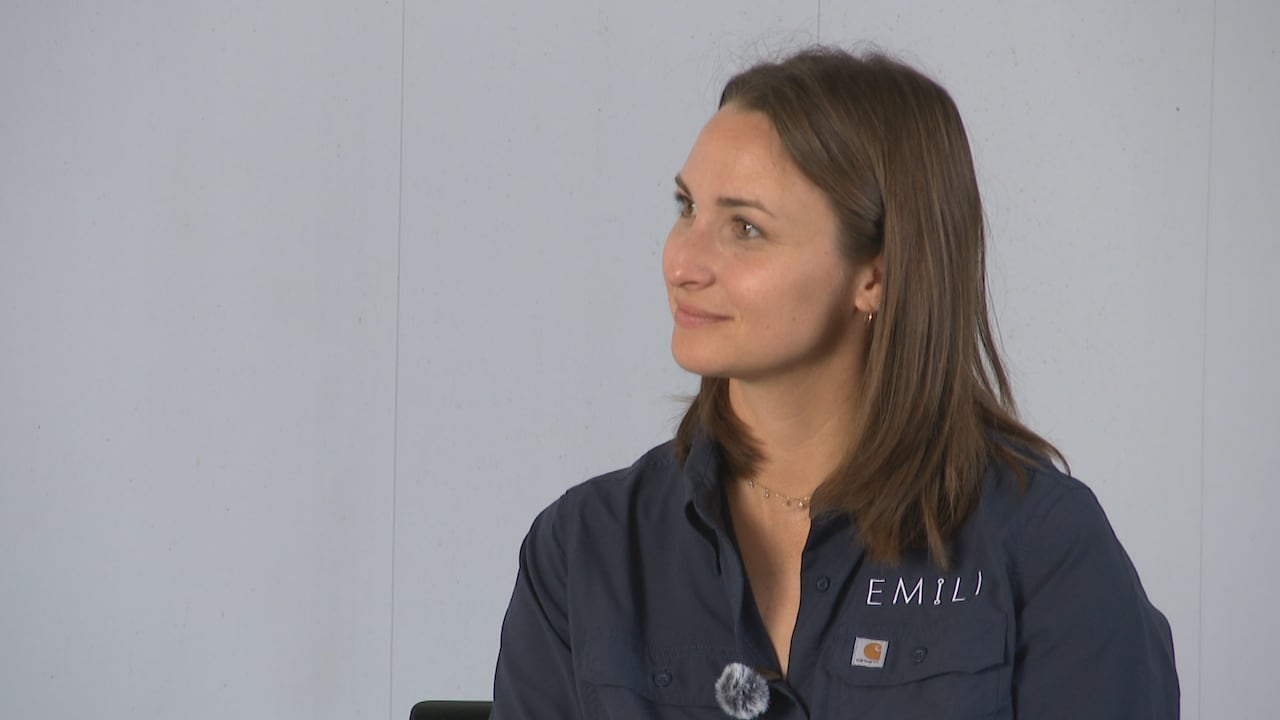
Leanne Koroscil, the manager of Innovation Farms with EMILI, explains that the Crop Intelligence tool enables farmers to predict their potential yield at the end of a crop season. (Iris Dyck/Radio-Canada)
“Thus, we believe it is crucial to focus on the role that new technologies can play in assisting farmers to address, manage, and reduce the impacts of climate change and fluctuating weather,” she added.
A significant topic of discussion was the data-driven agronomic tool known as Crop Intelligence.
This tool functions similarly to a weather station, gathering data on precipitation, temperature, and overall environmental conditions. It works in conjunction with a soil probe that helps users monitor soil moisture, as explained by Leanne Koroscil, the manager of Innovation Farms at EMILI.
“It employs an algorithm and model to assess soil moisture levels throughout the season in the field and to determine how the crop utilizes that moisture within the root zone,” she noted.
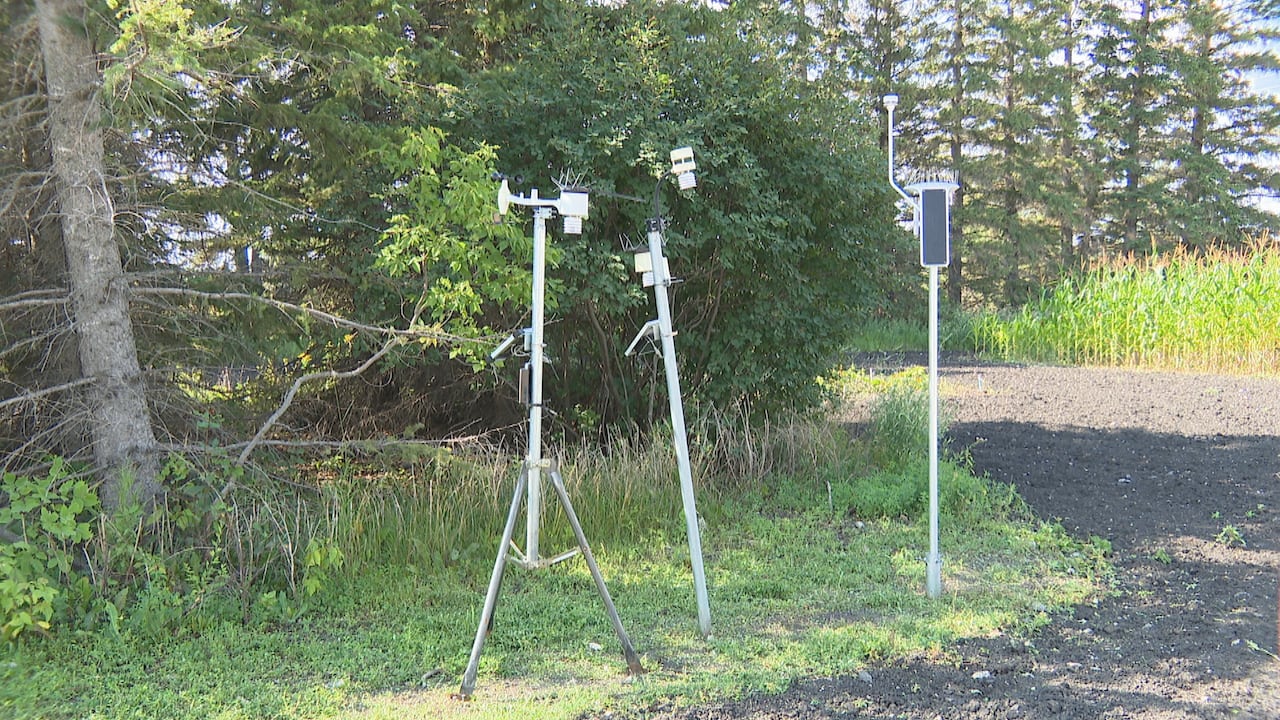
The Crop Intelligence tool tracks environmental variables, and the soil probe allows users to gather data regarding soil moisture levels. (Iris Dyck/Radio-Canada)
“Essentially, it can forecast the expected yield at the end of the season, enabling users to make informed management choices earlier in the growing season.”
Charles Fossay, a farmer near Starbuck and a director at Keystone Agricultural Producers, has over 50 years of farming experience, focusing primarily on wheat, barley, oats, canola, and soybeans.
He mentioned that while the abundance of data can sometimes overwhelm farmers, a tool like a soil probe can be particularly beneficial, especially for those engaged in irrigation farming.
“For irrigation purposes, having a soil probe that indicates soil moisture levels, the depth of that moisture, and the depth of root growth — as this is a strong indicator of nutrient uptake by plants — provides insight into the expected size of the harvest,” he explained.
“Thus, certain data can be quite advantageous.”
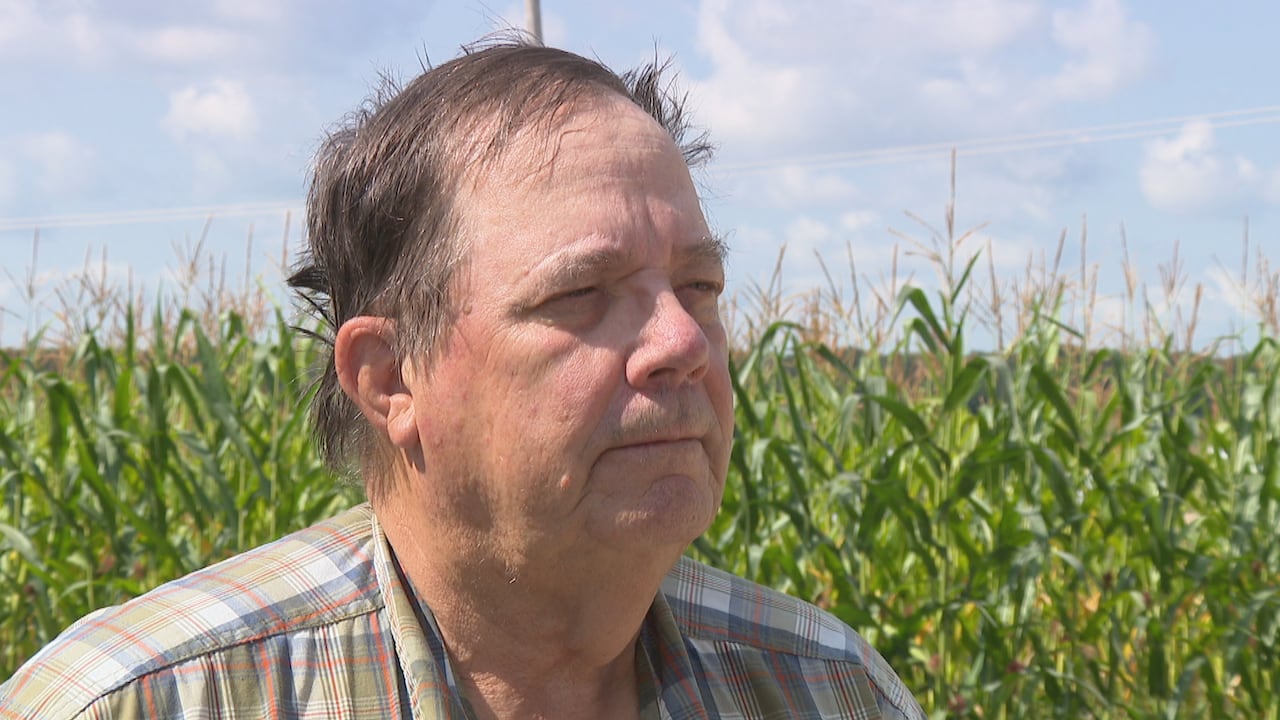
Charles Fossay has been in the farming industry for over 50 years. He believes that although data may occasionally overwhelm some farmers, tools like soil probes can be incredibly beneficial. (Iris Dyck/Radio-Canada)
Keena remarked that the agricultural landscape has transformed significantly since EMILI’s inception a decade ago. Initially, they took the initiative to explain the potential benefits of artificial intelligence as a tool for innovation within the sector.
“Clearly, ten years later, that conversation has evolved, and there is a widespread understanding of how influential and revolutionary AI and new technologies can be for agriculture,” she stated.
Currently, their emphasis lies in demonstrating the advantages for farmers like Fossay and others in the industry regarding the adoption of new technological practices.
“Farmers have numerous aspects to manage, and if they are to embrace new technologies, we aim to validate these solutions on a large scale before they make decisions about adoption,” Keena concluded.

