
As discussions intensify regarding a new agreement for Churchill Falls, at least one newly proposed clause could significantly benefit Newfoundland and Labrador, according to a former civil servant with extensive experience.
The revised agreement, first reported by allNewfoundlandLabrador, includes a guaranteed transmission capacity of 985 megawatts via Quebec. This provision allows Newfoundland and Labrador to export up to that volume of electricity from the Churchill River through Quebec, utilizing Hydro-Quebec’s transmission infrastructure to reach other markets. For instance, if Massachusetts required electricity, Newfoundland and Labrador could facilitate that sale.
The prior memorandum of understanding (MOU) for Churchill Falls did not include any assurances regarding transmission access, meaning Quebec would have had priority over any unused energy allocated for Newfoundland and Labrador.
CBC confirmed this information through a source familiar with the deal who is not permitted to speak publicly.
Ron Penney remarked that if the transmission access clause is indeed accurate, “It would represent a major, significant shift—without a doubt, very beneficial for us.”
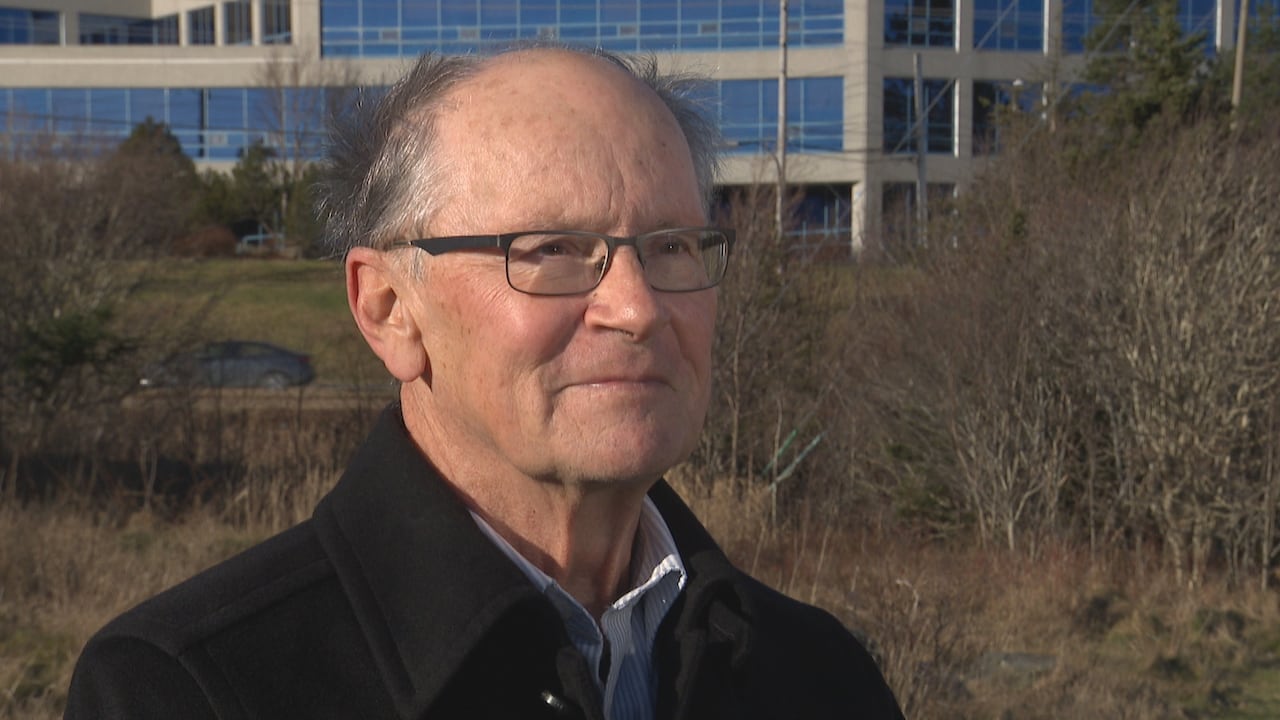
Ron Penney believes there isn’t enough time for an MOU to transition into a legal agreement between the provinces in the coming weeks. (CBC)
This development would be favorable for N.L. Premier Tony Wakeham, who has emphasized the necessity for the agreement to be advantageous for the province.
“My focus remains steadfast on acting in the best long-term interests of our province, and my priority will always be to ensure that Newfoundlanders and Labradorians are the primary beneficiaries of our resources,” Wakeham stated in January.
CBC News has requested an interview with Wakeham and is awaiting his response.
Meanwhile, during a press conference in Montreal on Thursday, Quebec Premier Christine Fréchette expressed in French that finalizing a deal is crucial for the long-term energy security of her province.
“The discussions have really picked up pace in recent days, which gives me a lot of confidence that we could reach an agreement and sign something in the near future,” she commented.
Not finalized yet
Penney indicated that while the specifics of a Churchill Falls agreement might be disclosed soon, the journey toward a binding contract is complicated.
On Wednesday, sources who are not authorized to speak publicly confirmed to CBC News that a new memorandum of understanding is nearing completion. They noted that two or three issues remain unresolved but are close to being addressed, with both governments targeting a formal announcement early next week.
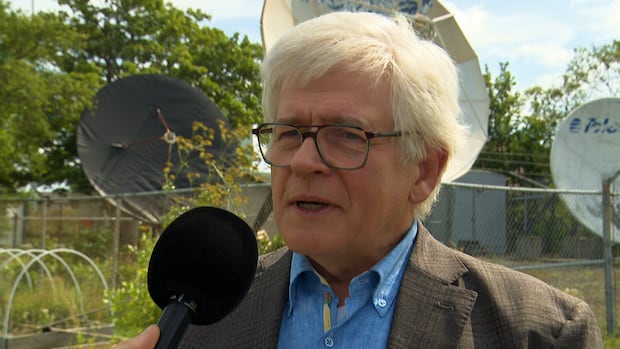
Sources indicate that a potential new agreement regarding the Churchill River, which could replace the 2024 MOU, is nearing its conclusion. However, Premier Tony Wakeham’s office states that no final agreement has yet been signed, leading the Liberals and NDP to seek clarification on the deal’s status. The CBC’s Cameron Kilfoy reports.
Penney, who previously served as deputy minister of justice and has criticized the contentious Muskrat Falls hydroelectric initiative, noted that he isn’t surprised by the potential for a deal, citing “political imperatives” for Fréchette as she approaches an election that must be called by August 29.
“There’s undoubtedly significant pressure on her. Additionally, there’s also pressure on us because, under the previous MOU, we would have received immediate annual cash, which we desperately require,” Penney told CBC Radio’s The St. John’s Morning Show.
However, he added that the situation in Quebec adds complexity to the negotiations.
“I don’t believe we should celebrate too much even if the deal is finalized because polls suggest the PQ is likely to form the next government in Quebec, and they oppose the existing MOU,” Penney stated.
He warned that negotiations cannot proceed during an election period, making it “simply not feasible” for the MOU to transition into a legally binding agreement, a process that could take months.
-
New Churchill Falls deal between N.L. and Quebec being finalized: sources
-
Quebec-Labrador border is becoming political fodder
“Whether or not that will actually happen is still very uncertain,” Penney added.
He mentioned that it is also important to see the specifics of the MOU.
Eager for details: Liberals
Liberal Leader John Hogan expressed his optimism regarding the potential for a favorable deal.
“We still don’t have confirmation that a deal is in place. We’ve heard that a few items need to be finalized before it’s presented next week,” he stated. “However, we look forward to thoroughly reviewing that agreement to understand what Newfoundland and Labrador stands to gain.”
He mentioned that his party would not oppose a deal purely for political reasons, and expressed his hope that the premier and cabinet members will be available to answer questions regarding the MOU’s contents. He also advocates for a debate in the House of Assembly similar to the one conducted for the previous MOU.
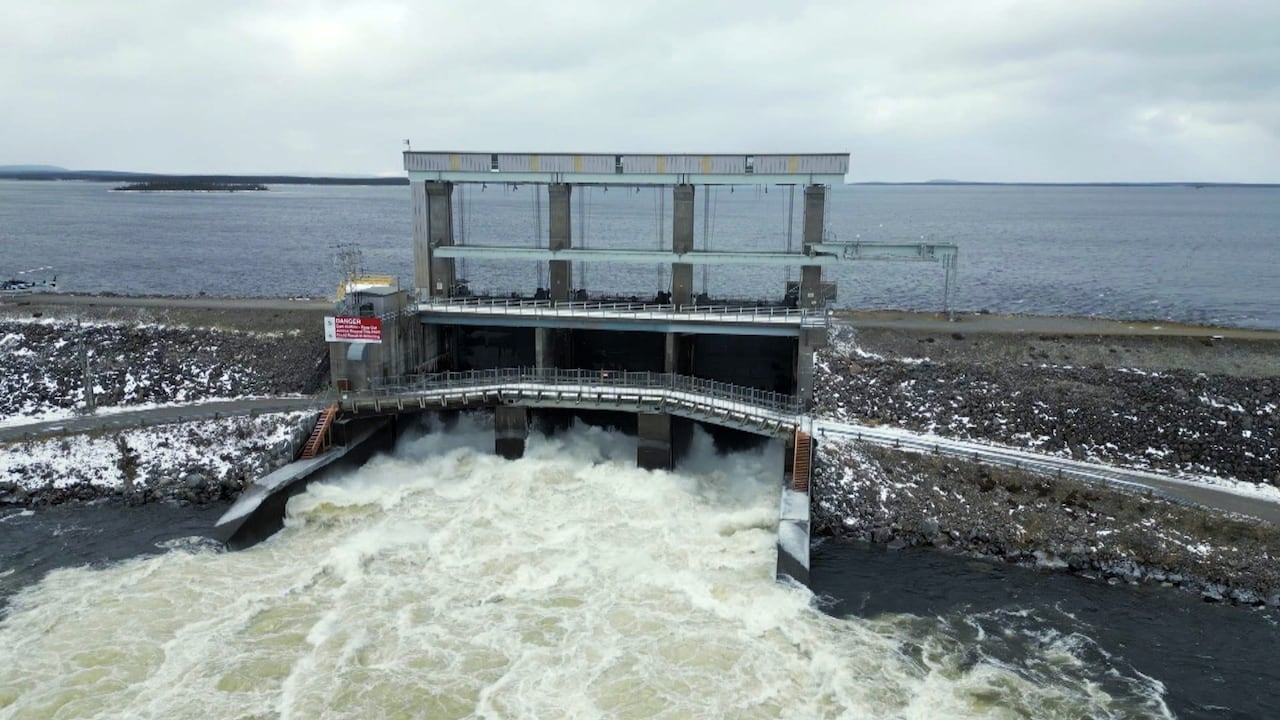
Reports indicate that a new Churchill Falls agreement is close to being finalized. (CBC)
Echoing Penney’s sentiments, Hogan also raised concerns regarding the limited time available to finalize a deal and the upcoming Quebec elections.
NDP Leader Jim Dinn remarked that it appears a promised referendum on the MOU is unlikely to materialize.
“I have always considered the idea of a referendum, as framed by the PCs, to be incredibly naive and ill-conceived,” he conveyed to CBC News.
He emphasized that a referendum would necessitate a public outreach strategy to ensure that the population is well-informed, which he believes has not occurred.
NDP Leader Jim Dinn advocates for a special discussion in the House of Assembly regarding the MOU. (Darryl Murphy/CBC)
Dinn subsequently called for a dedicated debate in the House of Assembly concerning the MOU, akin to the discussions held for the earlier MOU, with experts invited to participate.
“Let’s engage in a comprehensive debate so that the public can listen in and ask questions,” he urged.
In a statement released earlier Thursday, Dinn expressed his desire to know whether the Innu Nation was consulted regarding the new MOU.
Download our free CBC News appto receive push alerts for CBC Newfoundland and Labrador. Sign up for our daily headlines newsletter here. Click here to visit our landing page.

