
With its thrilling monster battles, challenging gameplay, and catchy soundtrack, the 1986 title Castlevania became a highlight on the Nintendo Entertainment System.
Over the span of nearly four decades, the franchise has produced a multitude of sequels, spin-offs, and cross-media adaptations. However, the publisher, Konami from Japan, allowed the series to lie dormant like a vampire in slumber; its last new release was in 2014.
Now, Castlevania: Belmont’s Curse seeks to engage both new players and long-time fans by drawing inspiration from the diverse eras of the series’ legacy as well as from indie titles it has influenced over the years.
The outcome is largely a triumphant revival for the franchise, merging classic 2D exploration with stunning artistic visuals — but its steep difficulty level may pose a challenge for those new to the genre.
Return of the Belmonts
Belmont’s Curse places players in the role of Rose Belmont, a monster slayer and the offspring of Trevor Belmont and Sypha Belnades, who are prominent figures from the 1989 game Castlevania 3: Dracula’s Curse.
Set in 1499, Paris is under siege by mysterious monsters. Trevor exits the scene to seek the local bishop, while Rose investigates the streets of Paris for clues.
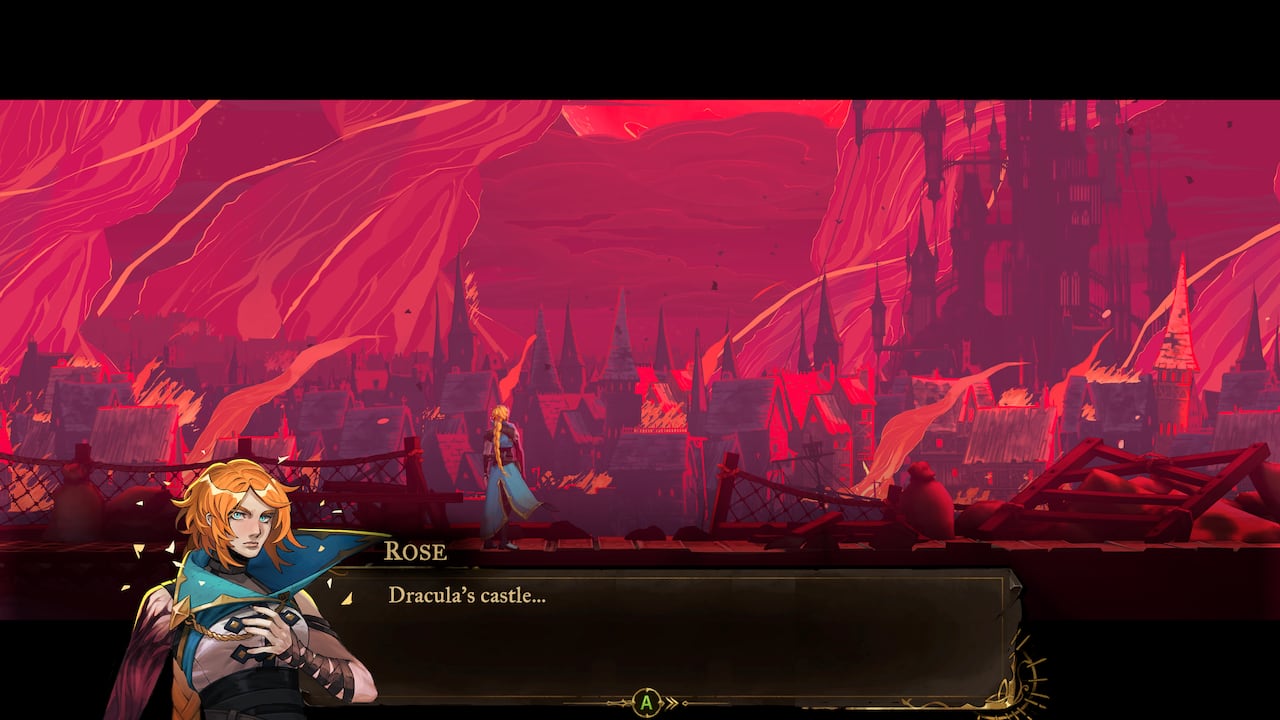
Dracula’s castle looms ominously over Paris in 1499. (All screenshots were captured from a build still in development.) (Motion Twin & Evil Empire/Konami)
She has inherited a curse — a blood-red mark creeping up her right arm — passed down from her mother, who fell victim to it after a confrontation with Dracula over two decades ago. If Rose loses control of her emotions and succumbs to hatred, she risks becoming a mindless beast like the monsters she hunts.
Things quickly deteriorate. Just a few hours into the adventure, Trevor is captured, and Dracula’s castle emerges from beneath Paris, seemingly annihilating Notre Dame Cathedral in the process.
Various members of the Belmont lineage have served as protagonists in most Castlevania titles, so returning to them is a natural choice — especially since Trevor and Sypha were recently featured in the Netflix animated series Castlevania. However, throughout the game’s approximately 15- to 20-hour duration, the narrative will explore both familiar and unexpected aspects of the series’ extensive history.
Fluid combat and movement
Belmont’s Curse generally adheres to the structure of the beloved 1997 game Symphony of the Night. Taking inspiration from Nintendo’s Metroid and Zelda franchises, Rose can traverse Paris and Dracula’s castle, which feature intricately designed and interconnected locations, including a haunted cemetery filled with wandering ghosts and a clock tower brimming with massive metal gears and perilous machinery.
Rather than progressing through linear levels, players will encounter dead ends or obstacles that require them to return after acquiring new abilities or items.
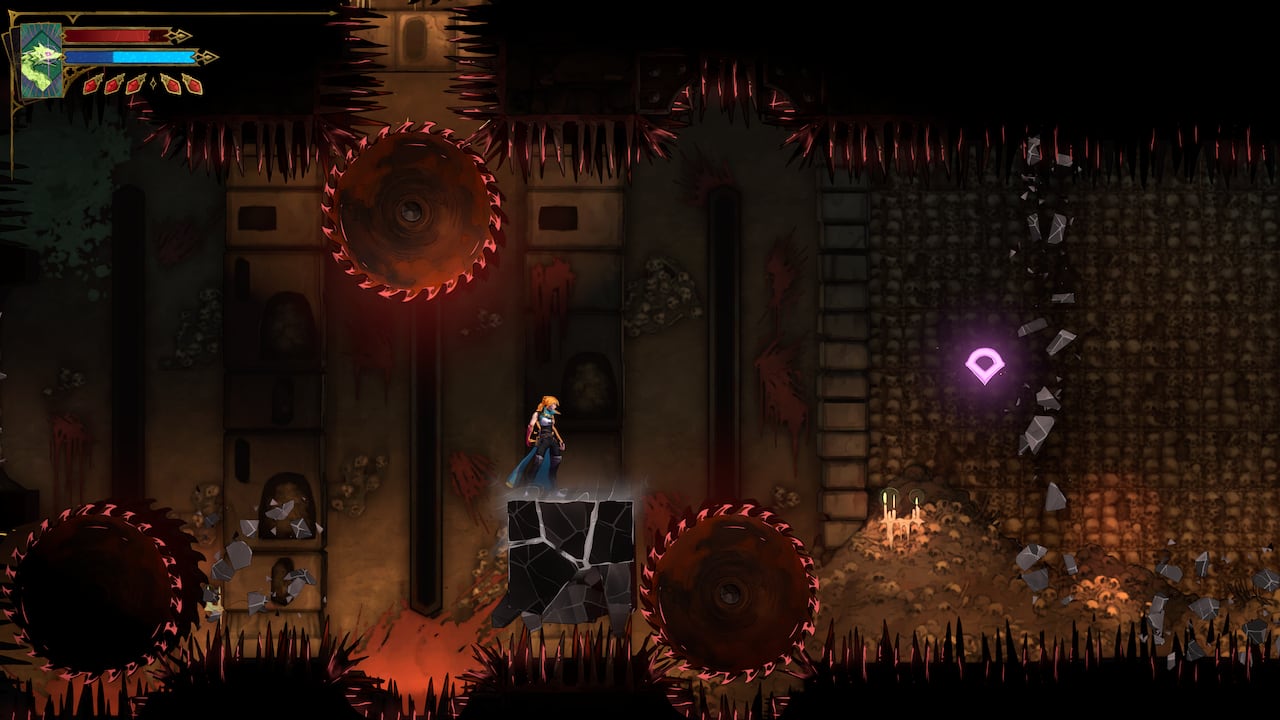
Dangerous traps and hazards are prevalent throughout Paris and Dracula’s castle. (Motion Twin & Evil Empire/Konami)
Early in the game, Rose acquires a whip that allows her to swing over spike traps or ensnare foes, setting them up for powerful attacks with her weapons, including swords, lances, and, of course, more whips.
The “Metroidvania” gameplay style has proven successful, and it feels like a return to familiar territory to encounter it here after years of indie titles drawing from it — such as the immensely popular Hollow Knight: Silksong released last year.
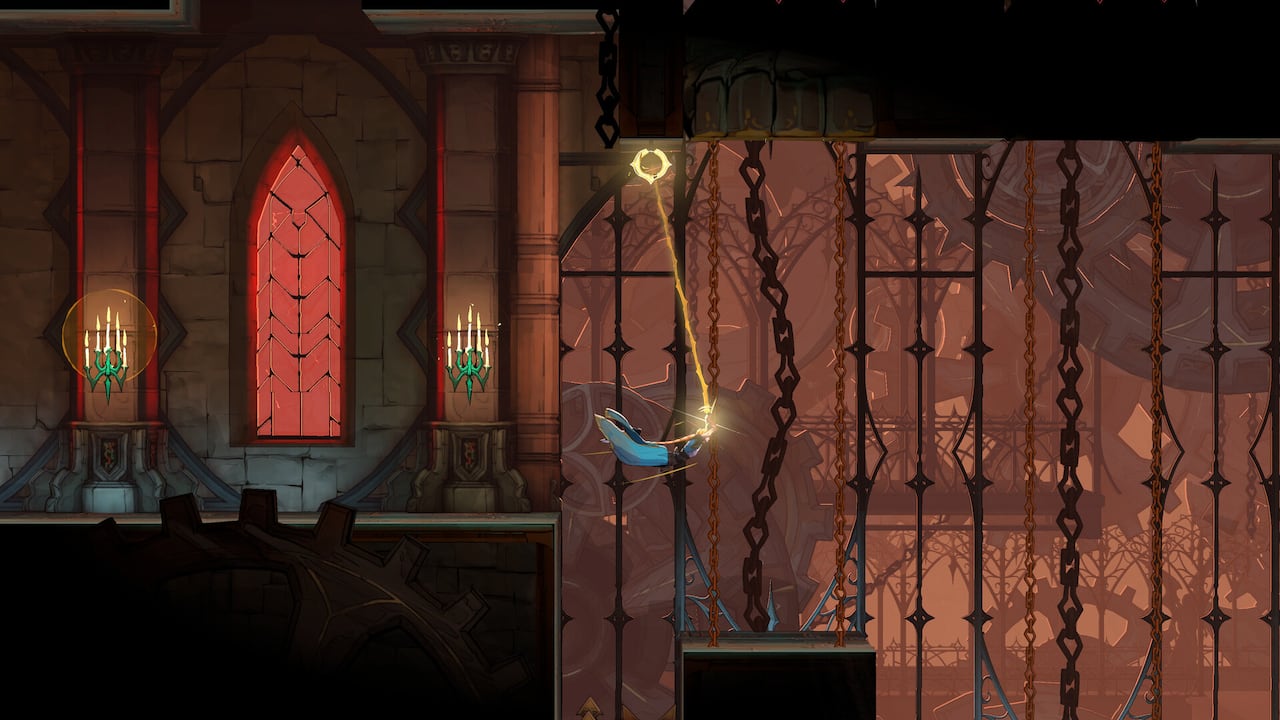
Rose employs a magical light whip as a grappling hook. (Motion Twin & Evil Empire/Konami)
It’s challenging. Perhaps too challenging?
Players should proceed with caution — while familiar foes like zombies, skeletons, and floating medusa heads return, they are faster and deal significantly more damage compared to earlier games.
You will need to utilize all your skills and reflexes to help Rose survive intense confrontations, especially at the beginning when her health and magic resources are limited unless she discovers upgrades hidden around the map.
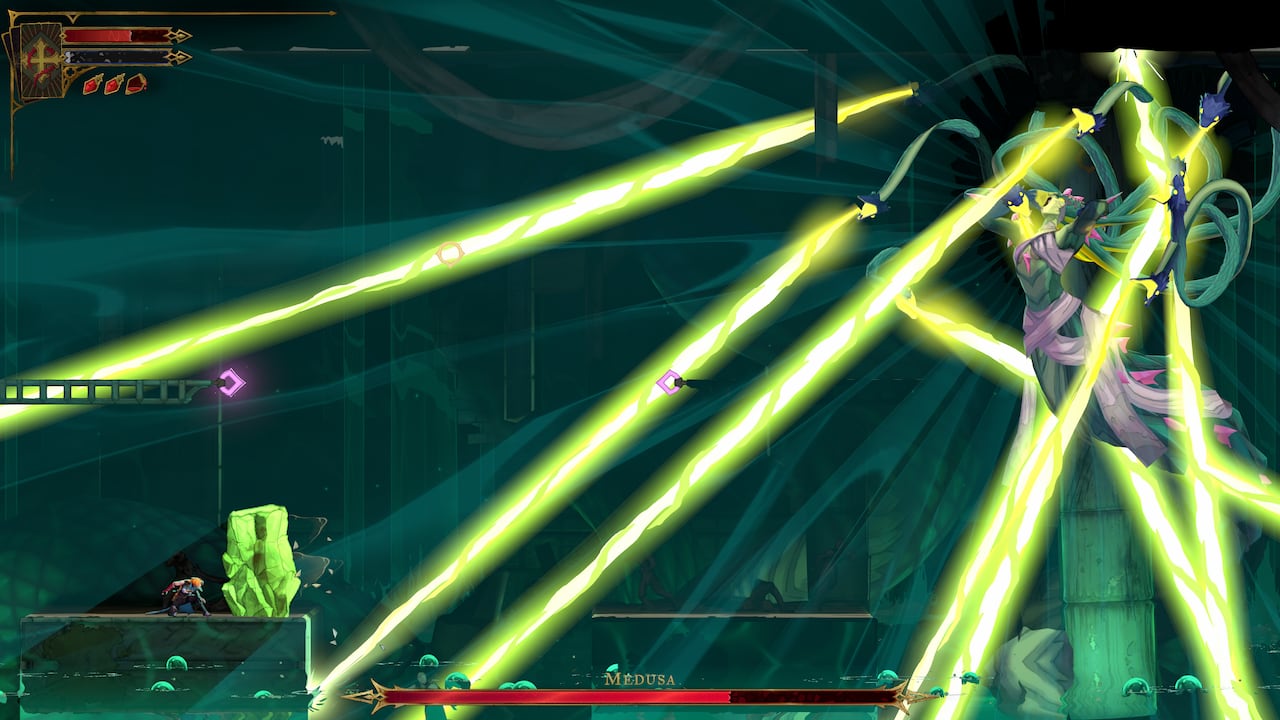
Rose faces off against Medusa in an early boss battle. (Motion Twin & Evil Empire/Konami)
The trap rooms are particularly punishing — featuring spinning blades, spiky pits, and other obstacles arranged in devious patterns that require almost impossibly precise timing or narrow jumps that are hard to execute consistently. Each new ability you acquire that should make navigation easier often just gives the level designers more opportunities to challenge you.
Revisiting old areas
This can make the necessity to backtrack and revisit previously explored areas feel even more frustrating. Most older titles in the Castlevania series provided ample save rooms and healing spots, or warp rooms that allowed players to quickly return to safety.
Such safe havens are relatively scarce in Belmont’s Curse. Too often, players must retrace their steps for long stretches before encountering anything new or even finding a moment to catch their breath before planning their next move.
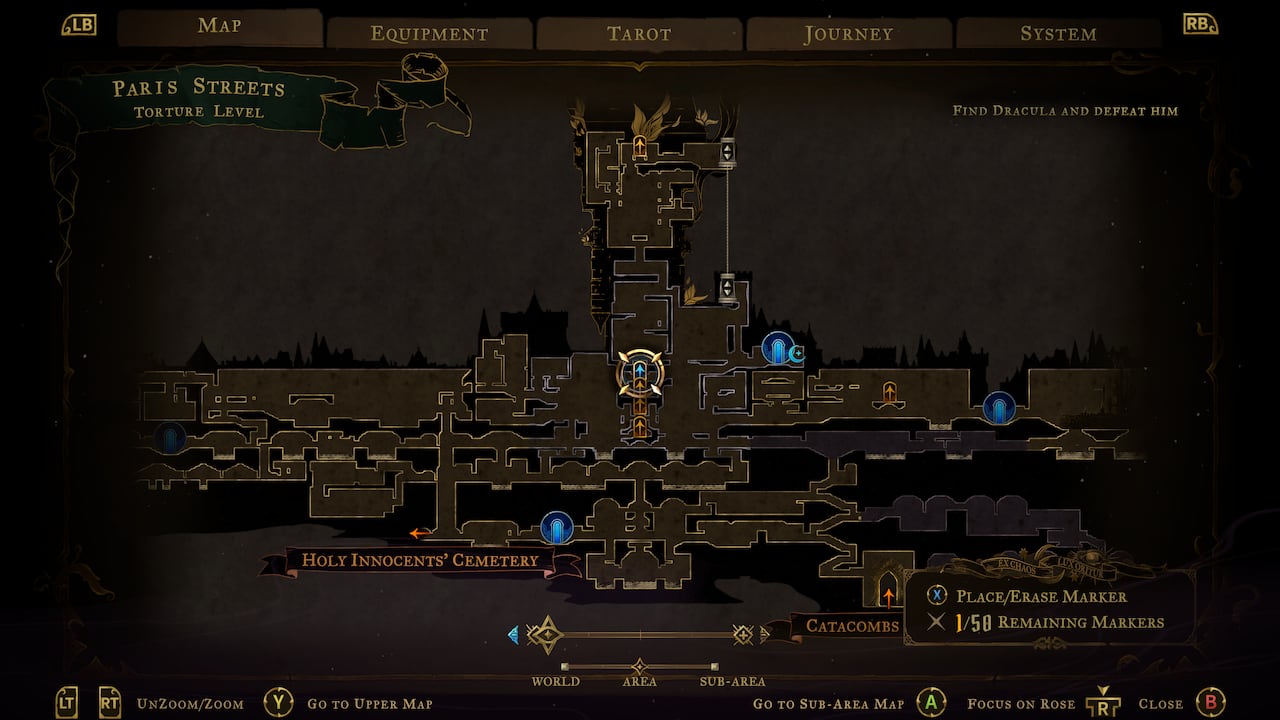
A portion of the map in Castlevania: Belmont’s Curse, illustrating the interconnected areas of Paris that players must navigate. (Motion Twin & Evil Empire/Konami)
There are difficulty settings available that allow adjustments to the damage inflicted by enemies on Rose; however, these do not lessen the demands of the trap rooms or make the backtracking any less tedious.
Striking visuals and music
Despite some occasional frustrations while navigating the intricate layouts of Belmont’s Curse, the overall experience is enhanced by outstanding visuals and art direction.
Paris is depicted through vibrant color schemes, from the pitch-black catacombs illuminated by flickering orange or eerie green flames, to the comparatively tranquil cemetery filled with lush greens and yellows that become increasingly toxic as players venture deeper into its treacherous sewers.
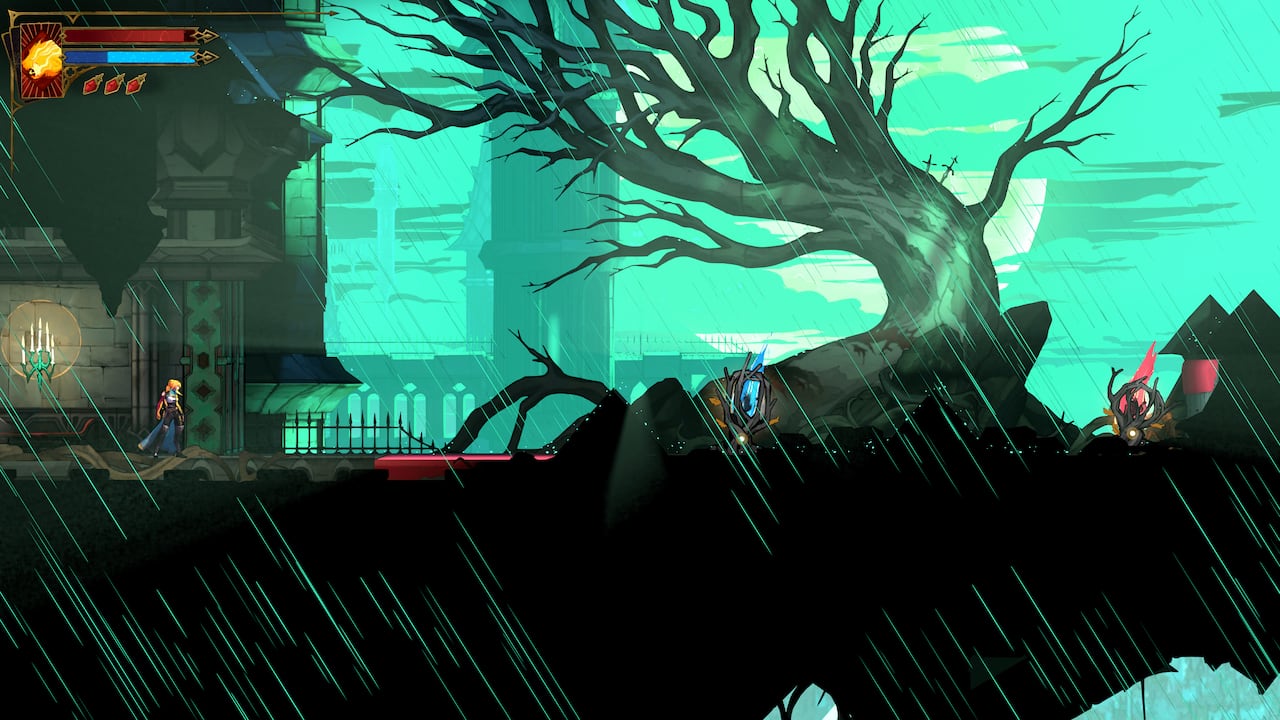
Players can discover items to enhance their health and magic levels in Castlevania: Belmont’s Curse. (Motion Twin & Evil Empire/Konami)
The pinnacle of this visual presentation occurs during the first approach to Dracula’s castle, an extraordinarily massive and ornate structure looming over the ruins of Paris, with chains the size of buildings anchoring it to the ground, as Rose fights her way through stone gargoyles and haunted suits of armor — all accompanied by a powerful remix of the classic series track “Bloody Tears.”
Special recognition should be given to the soundtrack overall, featuring a largely new set of tracks that effortlessly blend the series’ traditional classical elements, such as choral harmonies and organ melodies, with lo-fi beats and even occasional dubstep influences.
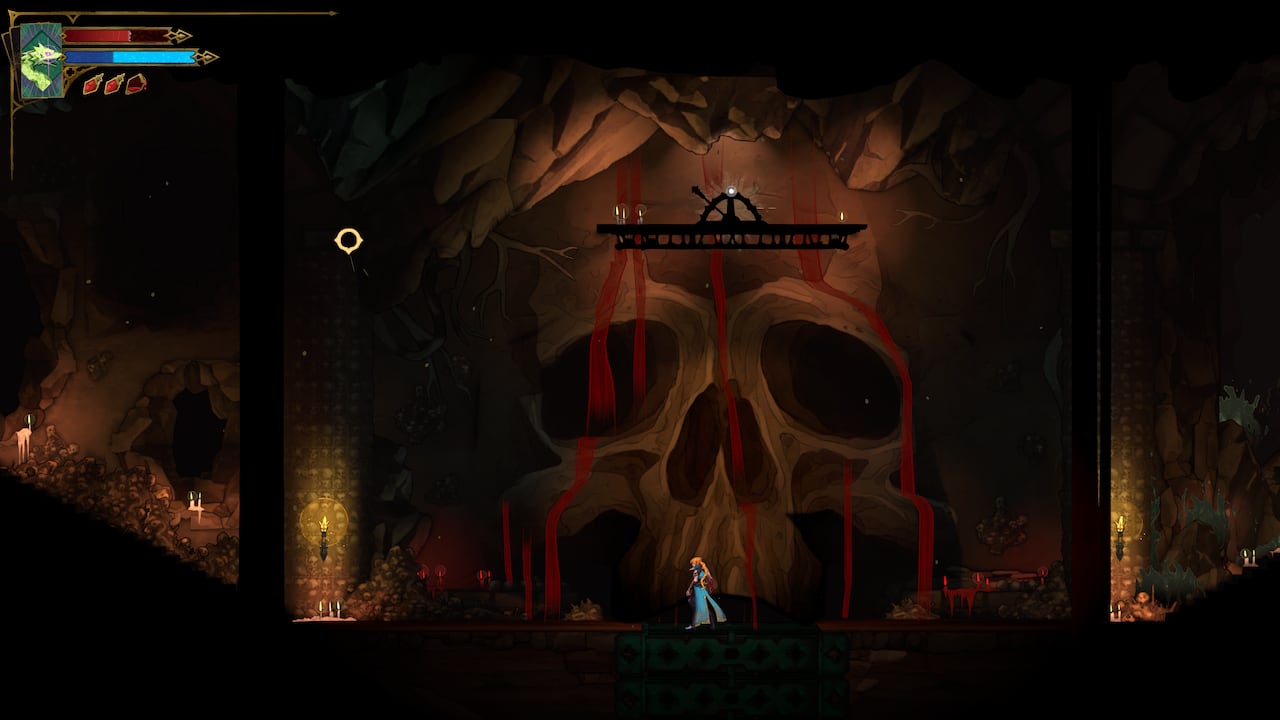
A massive skull looms ominously over Rose in the catacombs beneath Paris. (Motion Twin & Evil Empire/Konami)
The narrative is further enriched by unexpectedly moving performances from the voice cast, particularly Abby Trott as Rose and JB Blanc portraying a remorseful being initially referred to as The Fallen.
Switch version struggles
A note of caution: the Nintendo Switch version experienced significant performance issues during the review phase, as it was launched on the original console rather than the updated Switch 2 (though it is compatible with both).
On this platform, we encountered grainy, low-resolution graphics and extended load times, but the most troubling aspect was the notable input lag between pressing a button and Rose responding on-screen. In a game that demands quick reflexes, this made it almost unplayable.
In contrast, the visuals and responsiveness were considerably better on the Xbox Series X version, which we completed. A Day 1 update, however, addressed these issues across all platforms. Subsequently, the Switch version became much more playable after this update, although load times still lag behind other versions.

