
While it may not be the first thing that comes to mind when thinking about a typical delivery package, researchers have uncovered a global online market for preserved human remains, which they describe as a niche interest posing potential health risks.
A recent study published in the International Journal of Cultural Property by lead author Kirsty Squires and her team examined 128 online posts between 2015 and 2025 showcasing or advertising human and animal remains for sale.
According to Squires, a bioarchaeology professor at the University of Staffordshire in Stoke-on-Trent, England, mummified heads, hands, and feet were frequently featured in these posts.
The study highlights that mummified body parts may contain dormant microorganisms, such as bacteria, fungi, and yeast, which could pose health hazards if not handled properly. However, experts suggest that collectors who are knowledgeable about proper handling techniques may not face significant risks.
Safely Handling Mummified Remains
Squires noted that many online images exhibited visible signs of deterioration due to inadequate storage conditions.
Unlike in museums where mummies are stored under controlled temperature and humidity conditions, privately-held remains may be subjected to unregulated environments like homes or garages, potentially leading to microbial exposure when handled improperly.
Improper handling of these remains could release hidden fungal spores and bacteria, which can survive in mummified tissue for extended periods, posing risks to individuals, especially those with weakened immune systems.
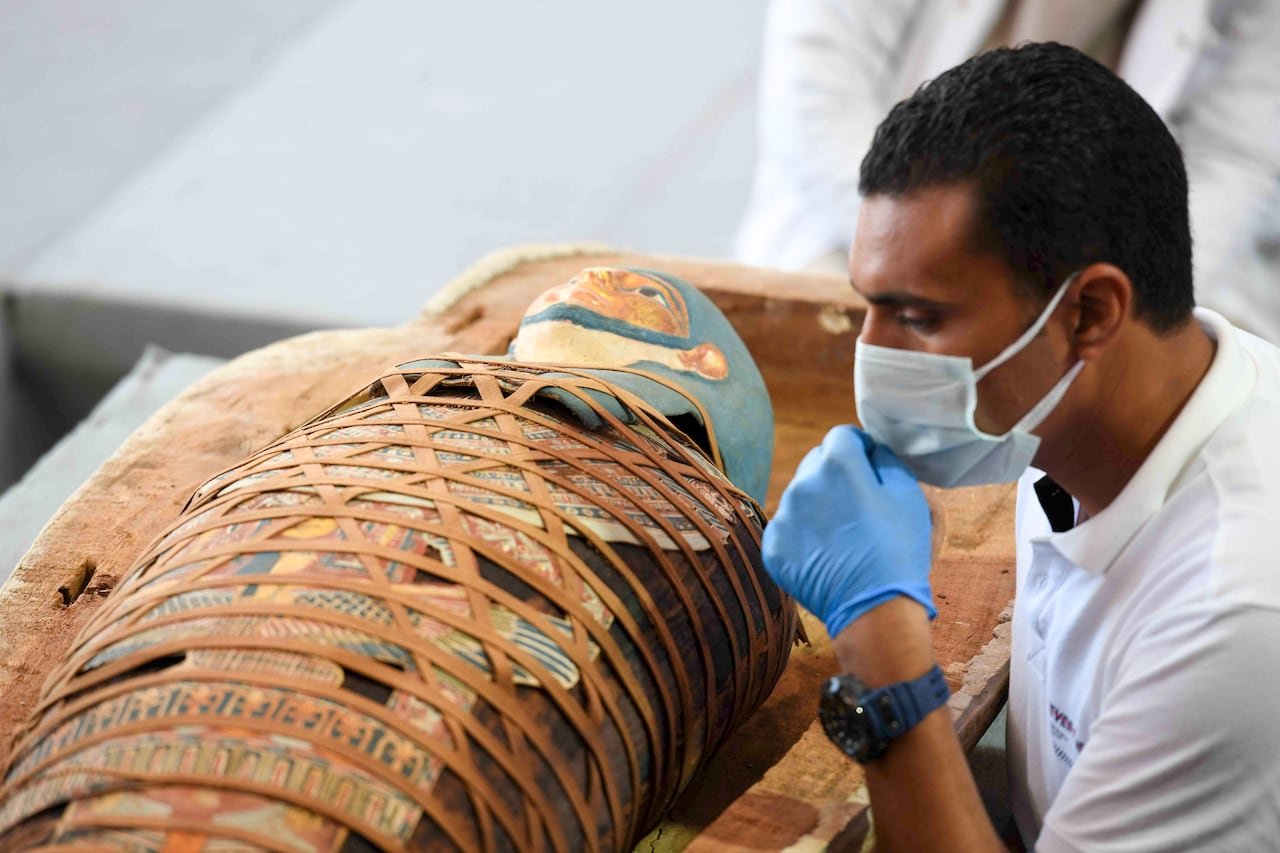
When handling human remains for research purposes, Squires emphasizes the importance of using protective gear, which some sellers in the study failed to do.
In addition to microbial risks, mummified body parts may also contain traces of toxic substances like arsenic and mercury from embalming fluids used in the past, as highlighted in the research.
Uncovering the Real Risks
Although the study does not report any specific cases of individuals falling ill from handling online-sold human remains, historical instances demonstrate potential dangers. For instance, in 1973, 10 conservation scientists died after exposure to Aspergillus spores while opening King Casimir the Fourth of Poland’s tomb.
Speculation also surrounds the death of Lord Carnarvon in 1923 following his entry into Tutankhamun’s burial chamber, with some suggesting airborne fungal spores as a contributing factor.
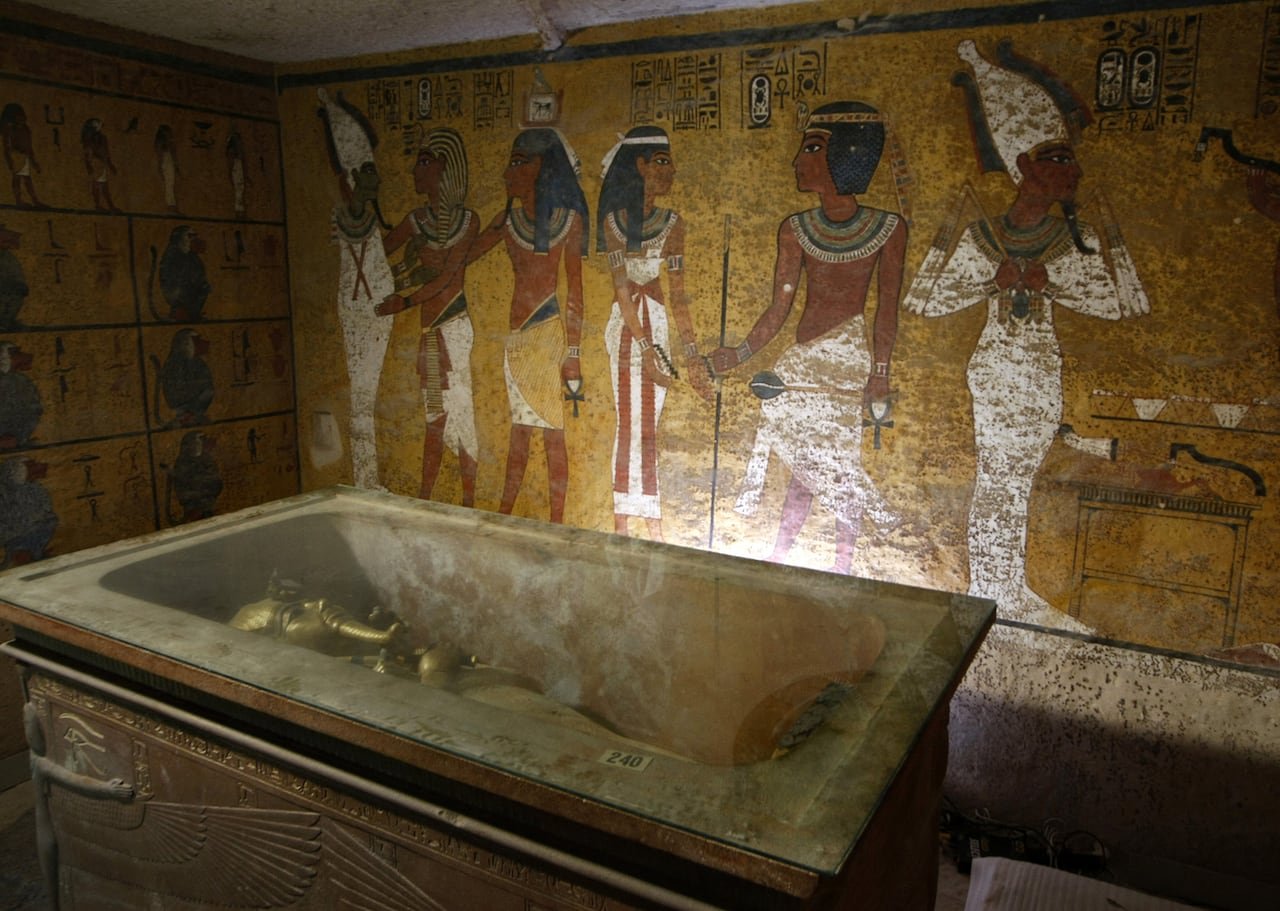
James Scott, a public health professor, expresses more concern over the ethical implications of the trade in human remains rather than the associated health risks, stating that controlled handling by collectors can mitigate potential hazards.
Furthermore, out of the examined online posts, 11 originated from individuals in Canada, reflecting the presence of a market for mummified human remains in the country.
Shawn Graham, a digital archaeology professor at Carleton University, points out the unregulated nature of the trade in Canada, where sellers and buyers easily connect through online platforms.
While some shipping companies and agencies like Canada Post have restrictions on mailing human remains, sellers can circumvent these regulations by falsely labeling packages as archaeological samples.
Graham calls for legislation similar to the U.K.’s proposed ban on online human remains sales in Canada to

